


















Powerful Earthquake Hits Mexico’s Southern Coast Today Key Details You Need to Know

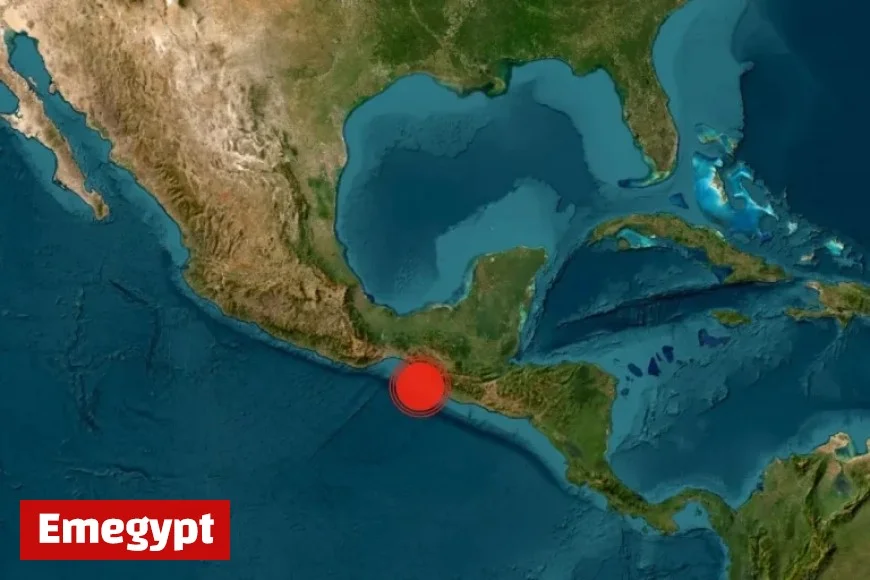
A magnitude 4.7 earthquake struck early Wednesday off Mexico’s southern coast, as reported by the U.S. Geological Survey (USGS). Fortunately, there were no immediate reports of damage or injuries. Preliminary data from seismic authorities indicated a strong but typical seismic event for the region.
Details of the Earthquake
The earthquake’s epicenter was located approximately 50 miles south-southwest of La Esperanza, in an area known as El Zapotal. The event occurred beneath the Pacific Ocean, contributing to the region’s reputation for seismic activity.
Geological Context
Southern Mexico resides along a highly active seismic zone. Here, the Cocos Plate is continuously subducting beneath the North American Plate, leading to frequent earthquakes. The Middle America Trench, an offshore fault system, runs parallel to the Pacific coast and is responsible for these geological phenomena.
- Magnitude: 4.7
- Location: 50 miles south-southwest of La Esperanza
- Region: El Zapotal, Pacific Ocean
Seismic Activity and Prone Areas
Regions such as Oaxaca, Chiapas, and Guerrero experience significant seismic activity due to ongoing tectonic interaction. This constant pressure results in the buildup and eventual release of energy, causing frequent earthquakes.
Understanding the Epicenter
The epicenter of an earthquake refers to the point on the Earth’s surface directly above where the quake originates, known as the hypocenter. The strongest shaking is typically felt at this surface location.
Causes of Earthquakes
The primary cause of earthquakes is the movement of tectonic plates along fault lines. Stress accumulates until it is released as seismic waves, which shake the ground. Other less common triggers include volcanic activity, mining operations, and significant landslides.
This earthquake serves as a reminder of the geological dynamics at play in Southern Mexico. Residents in the area are encouraged to remain vigilant and prepared for potential seismic activity.