









Ireland joins Eurovision boycott over Israel’s participation

The recent Eurovision Song Contest discussions have placed Israel in the spotlight due to allegations of voting manipulation. Approximately 50 broadcasters, including well-known organizations like the BBC, gathered for a crucial meeting of the European Broadcasting Union (EBU) to address the future of the contest, viewed by over 150 million people annually.
Concerns Over Israel’s Participation
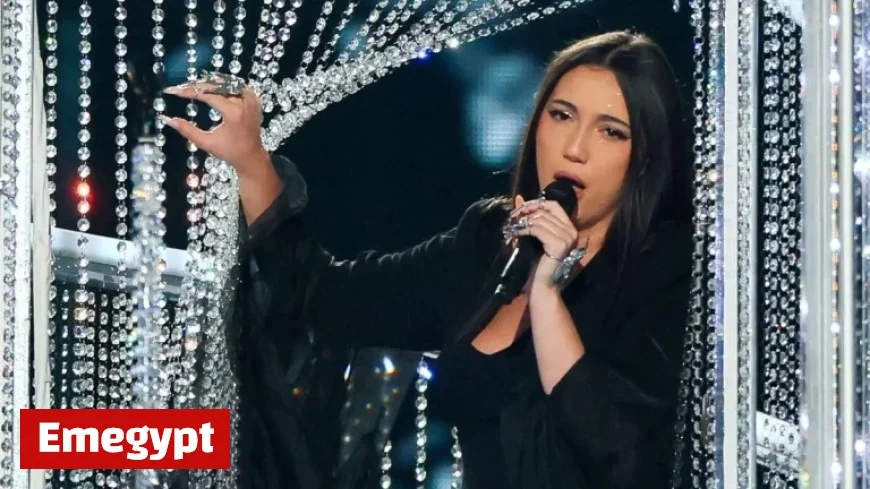
During the meeting, broadcasters were asked to endorse new regulations to prevent governments and external parties from organizing voting campaigns. This move comes after accusations that Israel unfairly promoted its entrant, Yuval Raphael.
Voting on New Regulations
It was reported that the voting on the proposed regulations was connected to a stipulation prohibiting discussions about Israel’s ongoing involvement in Eurovision. The EBU stated, “All EBU Members who wish to participate in the Eurovision Song Contest 2026 and agree to comply with the new rules are eligible to take part.”
Reactions from Officials
Martin Green, director of the Eurovision Song Contest, expressed satisfaction over the opportunity for members to discuss Israel’s role before the voting. He emphasized the importance of maintaining Eurovision as a platform for cultural exchange rather than a political battleground.
- Martin Green characterized the debate as “full, frank, and honest.”
- He noted the strong consensus among members to uphold the contest’s neutrality.
Statements from Israeli Leadership
Following the decision, Israeli President Isaac Herzog praised the outcome, calling it a gesture of “solidarity, brotherhood, and cooperation.” He stated, “Israel deserves to be represented on every stage in the world.” Herzog hopes Eurovision will continue to promote culture and understanding among nations.
KAN, Israel’s broadcasting CEO Golan Yochpaz, warned that the attempt to disqualify Israel’s entry resembles a cultural boycott. He expressed concern that such actions could set a harmful precedent, questioning the future implications of boycotting any participant in the contest.
Support from the BBC
The BBC, representing the UK in Eurovision and a member of the EBU, expressed its support for the collective decision. A spokesperson emphasized that the decision aims to enforce EBU rules and ensure inclusivity within the contest.
As the contest approaches its 70th anniversary, the discussions about Israel’s participation reflect the intersecting challenges between culture and politics in international events like Eurovision.