







Jarlath Burns Raises Concerns Over Potential Ballygunner vs Ballygunner Final: Is This the Desired Outcome?

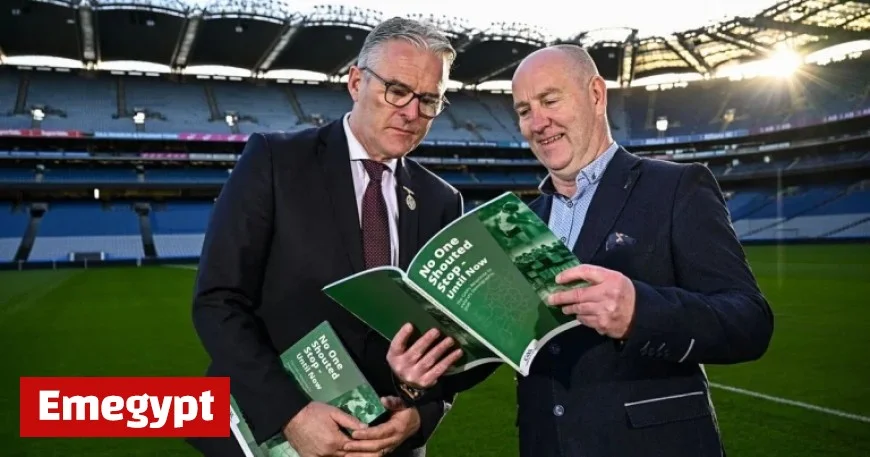
GAA president Jarlath Burns has voiced important concerns regarding the community impact of GAA clubs. His comments came during the unveiling of the GAA’s demographic plan aimed at addressing challenges faced by rural clubs and urban facilities. Burns remarked on the need for local councils to provide greater support to GAA clubs, which play pivotal roles in sustaining communities.
Community Impact of GAA Clubs
During a recent convention, Burns highlighted the remarks of Kerry chairman Patrick O’Sullivan. O’Sullivan proposed that GAA clubs with liquor licenses should be exempt from commercial rates. This sentiment aligns with discussions from Cork GAA regarding the financial burdens faced by clubs.
Burns emphasized that 83% of GAA funds return to the clubs. He stated, “There needs to be a realignment and a rethinking of the profound impact that the GAA has on communities.” He pointed out that the GAA’s contributions extend beyond sports and underscore the organization’s commitment to enhancing the quality of life in communities.
Demographic Challenges
The demographic challenges were highlighted during a meeting of the Central Council, where the Waterford County Board proposed that Ballygunner be permitted to field two teams in the 2026 senior hurling championship. This suggestion arose after Ballygunner’s second team won the Premier Intermediate title.
However, the GAA’s rules advisory committee is considering a regulation that would restrict clubs from having multiple teams in the same grade. According to Burns, Ballygunner’s increasing size poses a complex issue, saying, “Ballygunner is now so, so big.” The area is experiencing rapid population growth, affecting local competitions.
Potential for Unintended Consequences
Burns warned of possible unintended consequences, such as the scenario where Ballygunner could face itself in the Waterford championship final due to its expansion. This situation raises questions about the implications of allowing a club with such strength to dominate competitions.
- Ballygunner’s notable achievements include recently winning the Munster club final.
- Local leaders have discussed forming a new club between Midleton and Carrigtwohill to respond to population growth.
- John Fenton, former Cork hurling star, has acknowledged the need for new clubs to accommodate growing communities.
In conclusion, Burns has pointed out a significant dilemma facing the GAA. While clubs like Ballygunner are thriving, it is crucial for the organization to reassess its structures to meet these changing demographics effectively. Solutions must arise from community discussions, highlighting the GAA’s role as more than just a sports organization but a cornerstone of societal development.