















Lessons Learned from the Skripal Poisonings: Are British Spies Better Prepared?

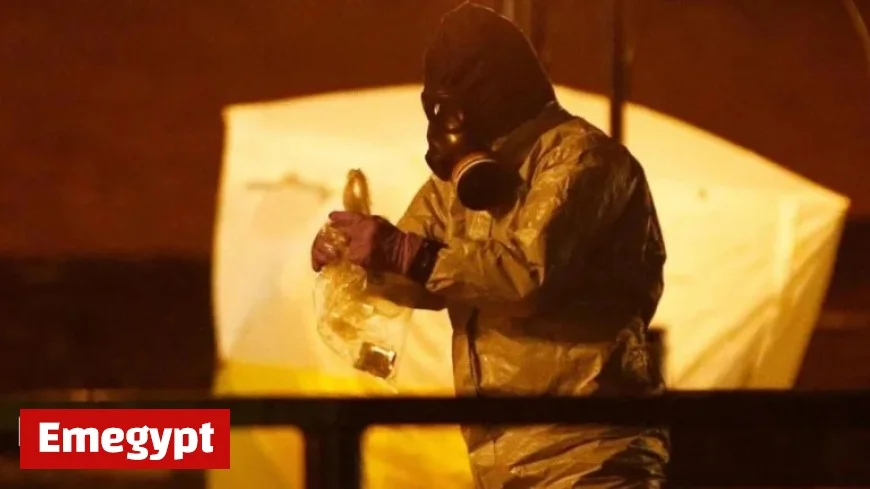
The poisoning of Sergei Skripal in March 2018 marked a significant event in British espionage history. This incident raised critical questions about the preparedness of British spies against such targeted attacks.
Key Events Surrounding the Skripal Poisoning
On March 4, 2018, MI6 received a surprising call about one of their agents, Sergei Skripal, being poisoned. The attack alarmed British intelligence and elicited widespread concern regarding the safety of spies in the UK. According to a recent report, Russian President Vladimir Putin was deemed “morally responsible” for the resulting death of Dawn Sturgess, who inadvertently came into contact with the same nerve agent, Novichok.
The Risk Assessment of Sergei Skripal
Skripal, a former Russian double agent, had initially begun his espionage work for MI6 in the 1990s. After being caught by Russian authorities, he was exchanged in a spy swap in 2010. At that time, the perceived risk to his safety was relatively low. However, the assessment of his security needs was later deemed erroneous. Following his defection, Skripal chose not to assume a new identity, which may have been crucial for his protection.
Poor Intelligence and Rising Tensions
Despite rising tensions between the UK and Russia, particularly after the Ukraine crisis in 2014, regular risk assessments regarding Skripal were not maintained. This oversite was significant, especially as Skripal was known to be in contact with various European intelligence services, potentially elevating his threat level. Putin, a former intelligence officer, is known for his animosity towards traitors, making Skripal a target.
Intelligence Lessons Learned
The use of Novichok nerve agent signifies more than an assassination attempt; it served as a stark warning from the Russian state. The implications were clear: those who betray Russian intelligence could be pursued relentlessly, even putting their families at risk. British intelligence has since recognized the need for enhanced protective measures for defectors and individuals at risk. Following the incident, security protocols were promptly intensified to safeguard such individuals within the UK.
Conclusion
The Skripal poisoning has forced a reevaluation of British intelligence protocols and risk assessments for spies. As these lessons are absorbed, the focus has shifted towards developing better protection measures to prevent future incidents. The continued threat from state-sponsored attacks emphasizes the need for rigorous vigilance and proactive security strategies in the realm of espionage.