











Russia Denies Role in Salisbury Poisonings and Warns of European War Threat

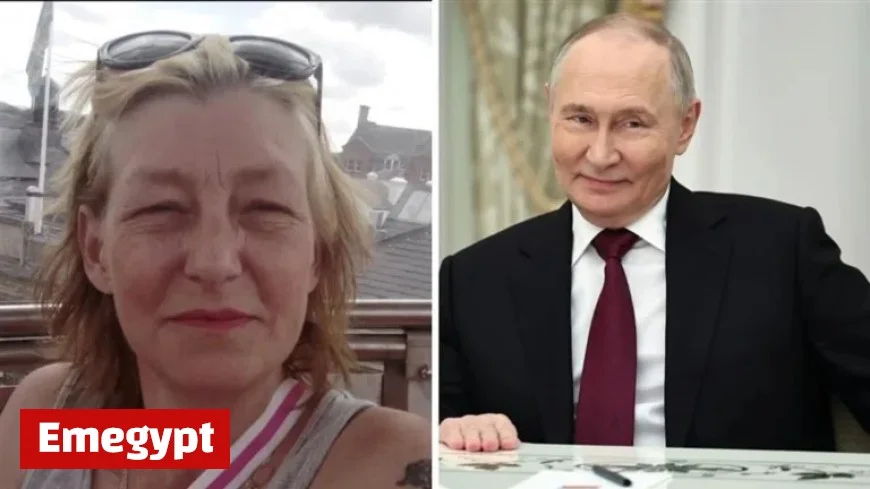
Russia’s ambassador to the United Kingdom, Andrei Kelin, has formally rejected an investigation’s conclusions regarding the 2018 Salisbury poisoning incident. The inquiry determined that President Vladimir Putin likely authorized the use of a nerve agent, implicating Russia in the death of British citizen Dawn Sturgess.
Rejection of Investigation Findings
Ambassador Kelin denied any involvement of Russia in Sturgess’s tragic death, expressing his condolences but stating, “Russia has nothing to do with it.” He claimed the circumstances surrounding the poisonings of former Russian spy Sergei Skripal and his daughter Yulia were manipulated by the British government.
Evidence and Accountability
While Kelin contended that the narrative was fabricated, multiple sources, including the British government and investigative journalists, have presented substantial evidence linking military intelligence agents to the attacks. The Organisation for the Prohibition of Chemical Weapons confirmed that the nerve agent used was novichok, which has only been developed and deployed by Russia.
- The inquiry identified two agents, Alexander Petrov and Ruslan Boshirov, associated with the GRU spy agency.
- These agents traveled from Moscow to London on March 2, 2018, with the intent to poison Skripal.
- Sturgess encountered a Nina Ricci perfume bottle, mistakenly believing it to be harmless.
On June 30, 2018, Sturgess applied the contents of the bottle and succumbed to the effects just over a week later. While Sturgess tragically passed, both Skripal and Yulia survived, though they suffered severe health issues.
Concerns about European Tensions
In recent statements, Ambassador Kelin expressed concern regarding escalating tensions between Europe and Russia. He suggested that the timing of the report was intended to derail ongoing peace discussions related to Ukraine. “This is a strategy to disrupt important and advanced negotiations,” Kelin stated.
He acknowledged an increase in the probability of armed conflict between Russia and Europe, mentioning, “We do not want to wage war against Europe. However, if Europe prepares for war against Russia, we are ready.”
The ongoing situation reflects the fragile state of international relations and the potential for further escalation in the region.