





Taoiseach Labels Eurovision Boycott a Powerful Act of Solidarity
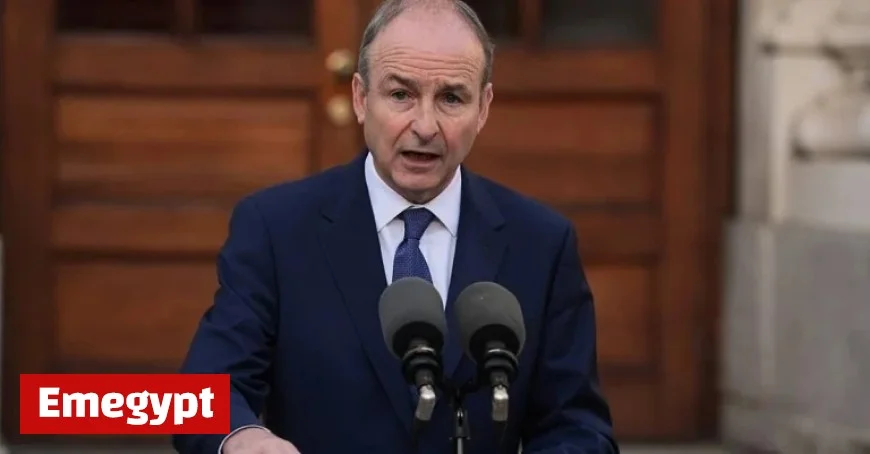
The recent announcement by Ireland’s Taoiseach Micheál Martin, regarding the country’s withdrawal from the Eurovision Song Contest, has been characterized as a significant act of solidarity. This decision correlates with Ireland’s stance amid ongoing conflicts in Gaza and has resonated with various political leaders. The Irish broadcaster, RTÉ, opted out after the European Broadcasting Union allowed Israel to participate in the competition.
Background on Ireland’s Withdrawal
Martin expressed his full support for RTÉ’s decision, emphasizing the motivation behind this choice. It reflects a commitment to solidarity, particularly for journalists who have lost their lives during the conflict. He stated, “Without those journalists, the world would not have known to the degree that it knows the horrors of what transpired in Gaza.”
Political Reactions
- First Minister Michelle O’Neill: She endorsed the boycott, believing it sends a strong message regarding humanitarian crises.
- Deputy First Minister Emma Little-Pengelly: She disagreed, asserting that such actions wouldn’t impact the broader issues in the Middle East.
During a press conference with the British-Irish Council, O’Neill emphasized the importance of taking significant actions that resonate on international platforms. In contrast, Little-Pengelly focused on the necessity of pragmatic approaches to ensure peace rather than symbolic gestures.
Broader Implications of the Boycott
The boycott is framed against the backdrop of the humanitarian crisis in Gaza, characterized by high casualties and extensive destruction. Martin stated that the focus must remain on contributing to peace efforts, reinforcing Ireland’s recognition of Palestinian statehood as a part of wider regional peace initiatives.
The Role of Journalism and Humanitarian Aid
Martin spotlighted the courage of journalists during the war and acknowledged the critical importance of media access to report on such events. “We’re working with all involved to see how we can contribute in terms of the peace process,” he said.
In addition, Tánaiste Simon Harris noted the independent nature of RTÉ’s decision, highlighting the numerous journalists who have been killed and the ongoing restrictions on media in conflict zones.
The Conflict in Perspective
The ongoing conflict has led to discussions about the nature of protests and their effectiveness in influencing political situations. While some leaders call for meaningful actions that drive peace efforts, others, like Little-Pengelly, argue that boycotting events like Eurovision may not lead to substantive change.
The situation remains delicate, with all parties recognizing the need for humanitarian aid and an end to hostilities. As the crisis unfolds, Ireland’s actions in the context of the Eurovision boycott serve as a reflection of a broader commitment to human rights and solidarity in times of conflict.