

















1800 Lasagne Rapidly Faces Insolvency Just Months After Launch Amid Pandemic Popularity

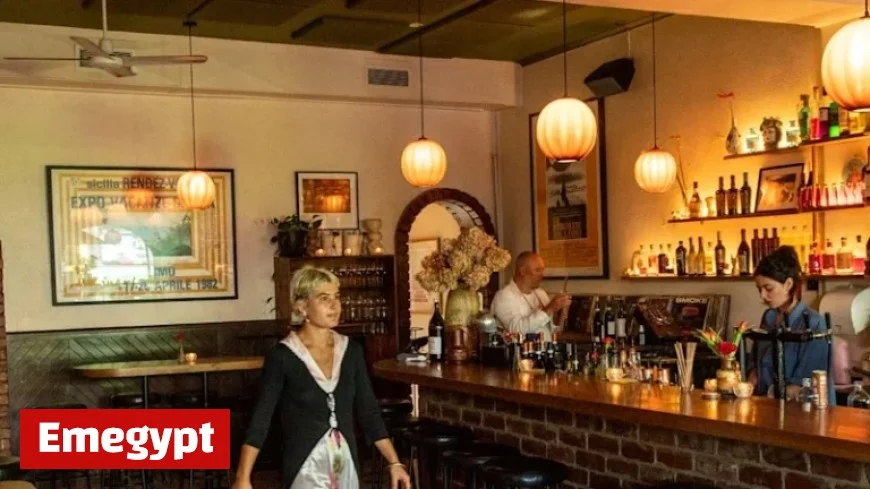
In late 2025, the popular restaurant 1800 Lasagne faced insolvency just five months after opening its Thornbury location. The venue amassed over $2 million in unpaid taxes and related liabilities within that period. Reports from the appointed liquidator detail the dire financial situation of the restaurant, which has continued to operate amid the liquidation process.
The Financial Background of 1800 Lasagne
Founded by Joey Kellock, 1800 Lasagne began as a home delivery service in 2019, becoming popular for its signature baked pasta. Business flourished during the COVID-19 lockdowns of 2020, leading to the establishment of a brick-and-mortar restaurant in Thornbury by November of that year. The venture grew significantly, achieving $3.8 million in sales by the 2024 financial year.
Rising Debts and Unpaid Taxes
Despite its early success, 1800 Lasagne struggled with financial management, reporting annual losses since its inception. The liquidator’s report indicated that the restaurant traded while insolvent for over four years. Key factors contributing to its downfall included:
- Under-capitalization
- Difficult trading conditions
- Failed expansion efforts
- Historical tax liabilities
The liquidator estimated a potential insolvent trading claim of approximately $2.7 million, primarily due to escalating liabilities between March 2021 and July 2025.
Legal Actions and Consequences
The liquidator revealed that directors could face personal liability for the restaurant’s accrued debts. Kellock, who also holds personal guarantees, may be pursued for $423,000 linked to unpaid employees’ superannuation and taxes. In addition, legal action from the Australian Taxation Office (ATO) against Kellock is ongoing due to related tax issues at his other business, Suntop Plaza.
Current Status and Future Prospects
Despite ongoing challenges, 1800 Lasagne has managed to continue trading, aided by an arrangement with Kellock’s other café to cover new debts. However, existing creditors—including the ATO, staff, and suppliers—are owed more than $3.5 million, with little hope of recovery.
As liquidators prepare to announce a potential sale of the business, it remains uncertain if Kellock will successfully repurchase 1800 Lasagne. Many staff members are expected to be retained, but without a clear plan for recovery, the future of the brand remains precarious.
Conclusion
The situation surrounding 1800 Lasagne highlights the volatility faced by the hospitality sector, especially in the aftermath of the pandemic. As Kellock navigates the complex path ahead, the dedication of stakeholders will be crucial for any potential revival of the brand.