

















Exclusive Insight Boat Linked to Double-Tap Strike Controversy Was Meeting Vessel En Route to Suriname Reports Admiral to Lawmakers

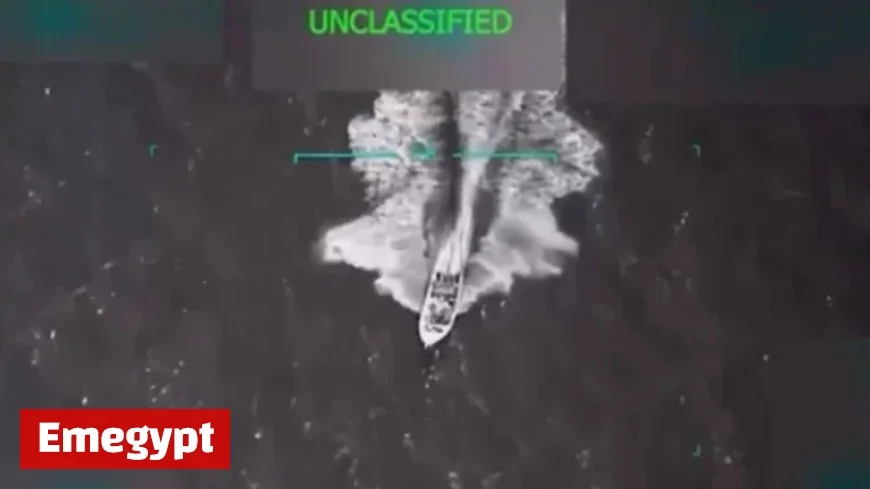
Recent revelations about a US military strike on a boat linked to drug trafficking highlight significant concerns regarding operational protocols. The strike, conducted on September 2, aimed to prevent a drug transfer to a larger vessel reportedly en route to Suriname, a country located east of Venezuela.
Details of the September 2 Strike
Admiral Frank Bradley, who oversaw the operation, provided insights during a briefing to lawmakers. The intelligence indicated that the struck boat intended to rendezvous with another vessel for a drug transfer. However, the military could not locate this secondary vessel.
Although the smaller boat was not directly heading to US shores, Admiral Bradley argued that the potential for drugs reaching the US from Suriname remained a threat. US drug enforcement officials noted that trafficking routes via Suriname often target European markets, while US-bound routes have shifted towards the Pacific Ocean in recent years.
Contention Regarding Military Actions
The military’s decision to strike the boat, resulting in the deaths of alleged drug traffickers, has sparked debate. Secretary of State Marco Rubio suggested that the targeted vessel was likely headed to Trinidad or another Caribbean destination. In contrast, President Donald Trump asserted the vessel was transporting illegal narcotics intended for the US.
Reports indicate that the boat attempted to evade the US aircraft before the strike by turning around. Ultimately, the military engaged the boat four times, sinking it and leading to fatalities among the crew. Survivor accounts suggest distress signals were visible, but it remains unclear whether they were attempting to surrender or requesting assistance.
Legal and Ethical Concerns
The legality of the strikes following the initial engagement has raised alarms. International law defines it as a war crime to kill individuals who are shipwrecked and in need of assistance. The Pentagon’s operational protocols emphasize the need to refrain from hostile acts against surrendering individuals.
- The Pentagon is facing growing scrutiny over the mission’s execution and rules of engagement.
- Defense Secretary Pete Hegseth’s role and instructions regarding the mission are under review.
- Lawmakers are calling for oversight from the Senate Armed Services Committee.
While Republican lawmakers generally support Trump’s military campaign in the Caribbean, the secondary strike approach on September 2 has drawn bipartisan concern. As investigations into the actions and orders surrounding the operation proceed, the implications for US military conduct remain at the forefront of discussions.
With ongoing scrutiny, the necessity and legality of military interventions of this nature continue to be vital topics in national security debates.