

















Moscow Claims US Security Strategy Now in Sync with Russian Vision

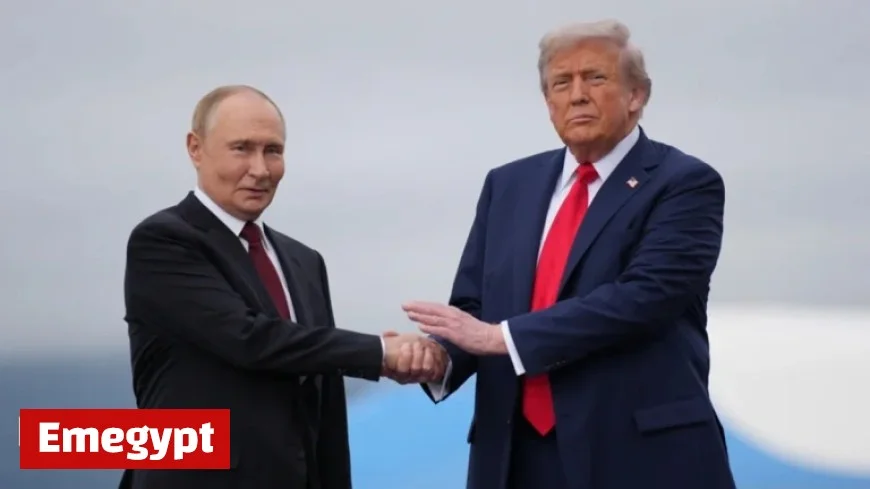
The ongoing discussions between the European Union and the Trump administration about a peace deal in Ukraine reveal contrasting views on security strategies. Key officials express concerns about the alignment of US security policies with European values.
Moscow Claims US Security Strategy in Sync with Russian Vision
During recent talks, German Foreign Minister Johann Wadephul emphasized the US’s role as a critical ally within NATO. He remarked that the primary focus of the alliance should be on security policy rather than issues like freedom of expression. “In any case, at least when it comes to Germany, those topics do not belong in the strategy,” Wadephul stated.
Statements from European Leaders
Polish Prime Minister Donald Tusk addressed his American counterparts on social media, asserting that “Europe is your closest ally, not your problem.” Tusk highlighted a shared stance against common threats and advocated for a unified approach to security.
In contrast, former Swedish Prime Minister Carl Bildt criticized the US strategy, describing it as far-right. This criticism stems from the Trump administration’s connections with the German party AfD, which has been categorized as extreme right by German intelligence.
US Strategy and International Relations
The Trump administration’s strategy emphasizes an “America First” approach. Key aspects include:
- Targeting drug-trafficking operations in the Caribbean and eastern Pacific.
- Considering military actions in Venezuela.
- Encouraging increased defense spending from Japan, South Korea, Australia, and Taiwan.
However, this strategy has sparked concern among Democrats in Congress. Representative Jason Crow of Colorado warned that the document could severely damage America’s reputation globally. He expressed that the strategy is “catastrophic to America’s standing in the world.” Fellow New York Representative Gregory Meeks criticized the approach for disregarding decades of value-based US leadership.
The diverging opinions mark a critical moment in transatlantic relations, with implications for both security and diplomatic ties moving forward.