


















White House Warns Europe Could Undergo Drastic Changes in the Next 20 Years

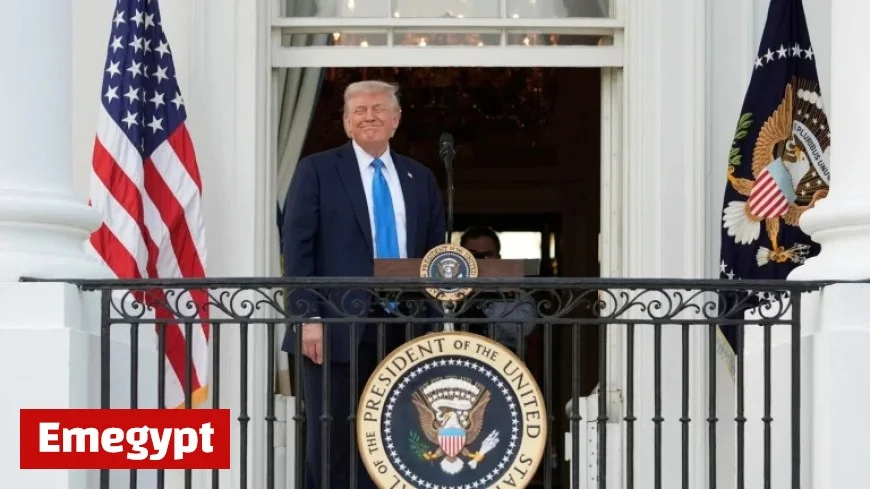
In a recently released National Security Strategy, the White House has outlined significant shifts in American foreign policy. The 33-page document indicates that Europe could be drastically altered within the next 20 years. It highlights concerns over the continent facing “civilizational erasure” and suggests that certain NATO members may become predominantly non-European.
Key Points from the National Security Strategy
- Shifted Focus: The document emphasizes America’s intent to draw back from its traditional role in the Middle East.
- Trade Prioritization: It advocates for fostering trade relationships without imposing American values on other nations.
- Migration Critique: The strategy notes that uncontrolled migration threatens the integrity of nation-states.
- Support for European Nationalism: The document encourages support for “patriotic European parties,” signaling a significant political shift.
- European Union and NATO Stance: The U.S. administration appears critical of the European Union and less committed to NATO’s traditional frameworks.
Concerns for Europe’s Future
The White House document warns that if current trends persist, Europe might not only change culturally and demographically, but could also witness weakened economies and militaries. This would potentially diminish the reliability of European nations as allies.
Furthermore, the strategy indicates a desire for European governments to regain “civilizational self-confidence.” It suggests a move away from regulatory policies perceived as inhibiting growth and coherence within European nations.
U.S. Relations with Russia and China
On the international front, the strategy also addresses relations between Europe and Russia, acknowledging the potential for conflict while advocating for U.S. diplomatic engagement to maintain strategic stability.
In the context of Asia, the strategy frames these regions as critical for future opportunities. A robust military posture is highlighted as essential for deterrence against China, while the U.S. aims to bolster economic cooperation in the Indo-Pacific.
Implications for Global Dynamics
This new approach signifies a marked departure from past policies, emphasizing America’s interest in narrowing its focus primarily to its direct national interests. The ramifications of these shifts could redefine global alliances, particularly with European nations now seeming to influence their own destinies more autonomously.
As the geopolitical landscape evolves, the effects of America’s updated strategy could lead to profound changes in how Europe interacts with both the U.S. and other global powers moving forward.