


















Advocates for the Future Claims Netherlands Violates Climate Obligations with New Gas Fields

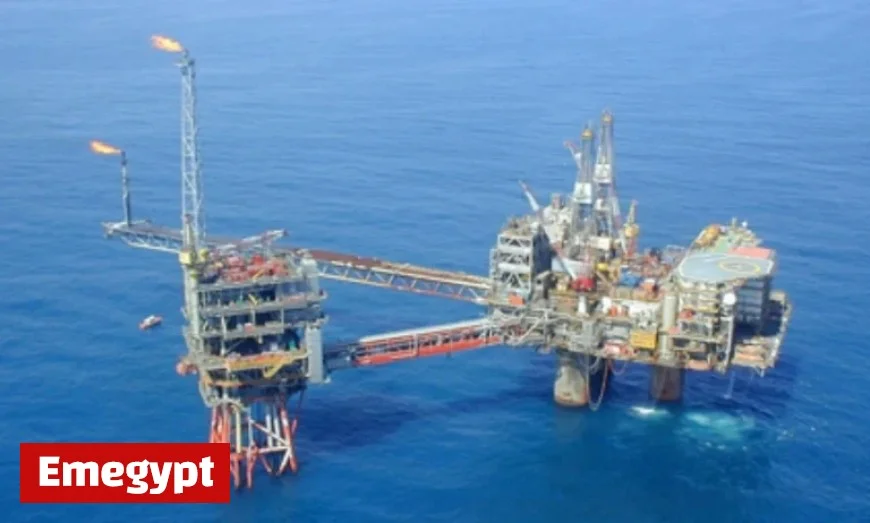
The organization Advocates for the Future (AftF) has initiated legal action against the Dutch government. Their aim is to block the opening of new gas fields in the North Sea. AftF argues that new gas production undermines the nation’s climate goals and makes the country vulnerable to damage claims.
Concerns Over Climate Obligations
AftF has filed objections against the extraction permit granted to Eni Energy Netherlands B.V. by the Minister of Climate and Green Growth. According to AftF, issuing new fossil fuel permits is contrary to both national laws and binding international commitments.
The organization highlights that in the face of an escalating climate crisis, the government cannot make decisions that increase fossil fuel production and emissions. This stance is supported by a recent ruling from the International Court of Justice, which emphasized that states must take serious measures to combat dangerous climate change.
Collaboration with Other Organizations
Earlier, AftF, along with Greenpeace NL and the Dutch Lawyers Committee for Human Rights, informed the Dutch Parliament about the incompatibility of new gas permits with climate obligations.
Calls for Investment in Sustainable Solutions
Maikel van Wissen, AftF’s director, stated, “Research indicates that we do not need additional gas. We should be investing in sustainable solutions to keep global warming below 1.5 °C. By opening new gas fields, the Netherlands breaches its climate commitments.”
Changes in Gas Permit Policies
AftF’s call for action aligns with recent decisions in other regions. The United Kingdom has decided to cease the issuance of new gas permits. Furthermore, the European Court of Human Rights ruled that nations must assess new gas permits against their climate obligations.
Impact on Sustainable Energy Transition
The Dutch government’s allowance for new gas extraction delays the transition to sustainable energy. Minister Hermans recently announced a reduction in offshore wind farm deployments due to lagging industrial sustainability efforts.
Permitting new gas extraction exacerbates reliance on fossil fuels. This reliance contradicts geopolitical needs for energy independence. The limited gas reserves in the North Sea offer minimal contribution to autonomy and hinder the shift to sustainable alternatives.
Risks of Legal and Financial Repercussions
AftF’s objection targets the extraction permit decision, which determines whether a new gas field can be opened. If the government later halts such a project, it may incur significant damage claims. For instance, on November 28, 2025, the government decided against gas extraction under the Wadden Sea, saving a unique ecosystem but costing €163 million in compensation to permit holders.
This creates a worrying precedent where fossil fuel companies could demand compensation for not extracting gas, further delaying investments in sustainable alternatives.
Conclusion
Hannah Prins, AftF’s campaign coordinator, stressed the importance of ceasing new gas fields: “It was right for the government to stop gas extraction under the Wadden Sea. Citizens oppose new fossil projects. However, as long as new permits continue in the North Sea, climate goals will slip further out of reach, and the state becomes vulnerable to damage claims. Stopping new gas fields is the only logical choice from legal, climate, and financial perspectives.”
Advocates for the Future (AftF) leverages legal tools to protect humans, animals, and the planet. The organization is dedicated to groundbreaking legal proceedings that shape policies, standards, and regulations for a sustainable future.