





MI5’s Integral Role in Managing IRA Informant Stakeknife Revealed in New Report

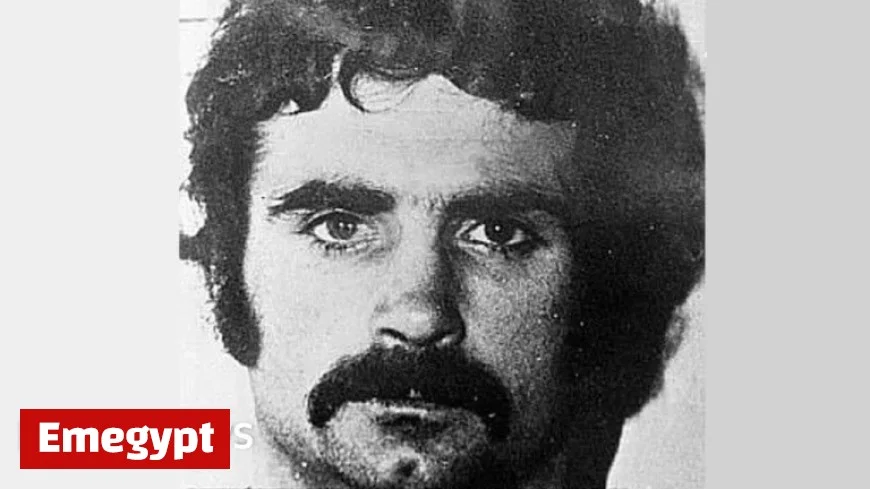
New revelations regarding MI5’s involvement with the notorious IRA informant, known as Stakeknife, have emerged from the final report of Operation Kenova. This investigation, costing £40 million, scrutinized the activities of this British agent, whose real identity is Freddie Scappaticci. Scappaticci was tied to at least 14 homicides while serving the Provisional IRA during the Northern Ireland Troubles.
Significant Findings from Operation Kenova
The 160-page report, compiled by former Police Scotland chief constable Sir Iain Livingstone, highlights that MI5 played a more integral role than previously disclosed. The report stresses that MI5 was “closely involved” in the briefing and tasking of Stakeknife, contradicting earlier claims that the agency’s involvement was peripheral.
MI5’s Acknowledgment of Failures
- MI5 was aware of Stakeknife’s intelligence and involvement in serious criminality.
- The organization faced criticism for a “serious organizational failure” in disclosing documents related to the operations.
- No evidence was found to suggest that documents were deliberately withheld, according to an independent review.
Sir Ken McCallum, MI5’s director general, extended sympathies to the victims and families affected by Stakeknife’s actions. The report points out that MI5’s belated disclosure of key documents hindered the investigation, resulting in lost opportunities for prosecution.
Controversial Recruitment and Operations
Scappaticci operated as an agent from the late 1970s to the 1990s within the IRA’s internal security unit, known as the “nutting squad.” This group was infamous for torturing and executing individuals suspected of being informants. Despite this knowledge, he was not named in the report due to existing government policies against identifying agents.
Details on Stakeknife’s Activities
The report unearthed pertinent information on MI5’s management strategies for Stakeknife. It indicated that:
- Over 3,500 intelligence reports were generated by Stakeknife, yet many were overlooked.
- Army personnel ensured he received substantial financial rewards throughout his service, potentially linked to his initial recruitment.
- Stakeknife was taken out of Northern Ireland for holidays, even while wanted for serious crimes, with MI5’s knowledge.
Calls for Transparency
The lack of identification for Stakeknife has raised frustrations among victims’ families and advocates. They argue that naming the agent is essential for accountability and truth regarding the IRA’s violence during the Troubles. Northern Ireland Secretary Hilary Benn stated that naming Stakeknife is complicated due to ongoing legal issues surrounding the agent’s identity.
Police Service of Northern Ireland Chief Constable Jon Boutcher remarked that revealing Stakeknife’s name would not compromise national security. Families seeking justice have expressed disappointment, viewing the lack of transparency as a profound disservice to victims.
Conclusion
The findings from Operation Kenova shine a stark light on the intertwining roles of intelligence agencies and paramilitary operations during the Troubles. They raise significant ethical questions about the balance of national security and accountability. As discussions continue on how to address this troubling chapter, the call for deeper investigations and naming Stakeknife persists.