



Discover Why UC is a Scientific Powerhouse According to a Nobel Laureate
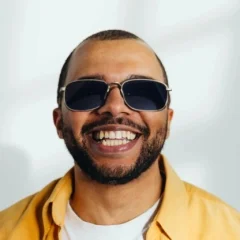
Randy Schekman, a Nobel laureate in 2013 for physiology or medicine, credits California’s investment in higher education for his success. Schekman, a professor of molecular and cell biology at UC Berkeley, started his scientific journey at a young age.
His childhood fascination with biology ignited when he peered into a toy microscope in his Southern California home. Although his parents could not afford an advanced model, Schekman persevered. He saved money from mowing lawns to purchase a better microscope, fueling his passion for science.
Academic Journey of Randy Schekman
In the 1960s, Schekman attended UCLA, a time when California was expanding its public education system significantly. He described himself as a middle-class student, where college was anticipated but finances were a concern. His experience at UCLA proved rewarding.
- Conducted research in Willard Libby’s lab, a Nobel laureate in chemistry.
- Enjoyed college sports, notably watching basketball star Kareem Abdul-Jabbar.
Groundbreaking Research on Cell Biology
As a young professor at UC Berkeley, Schekman’s research focused on how proteins are transported within cells. His studies on baker’s yeast led to significant breakthroughs in understanding cellular mechanisms.
He identified genes and molecules that regulate protein packaging and transport. These discoveries have implications across various biological functions, including the secretion of hormones and antibodies in the human body.
Impact on Biotechnology
After his initial findings, Schekman partnered with a biotechnology firm to engineer yeast for the production of critical proteins. Notable outcomes include:
- Manufacturing human insulin for diabetes management.
- Developing the hepatitis B vaccine.
Today, approximately one-third of the world’s supply of recombinant insulin is produced using yeast.
University of California’s Nobel Legacy
The University of California has a rich history of Nobel Prize winners, starting in 1939 with physicist Ernest O. Lawrence, awarded for his invention of the cyclotron. The institution has produced a total of 74 Nobel laureates.
As part of the 2025 Nobel festivities, current laureates are sharing insights about their groundbreaking work, reflecting UC’s ongoing legacy in the fields of physiology or medicine, physics, and chemistry. The contributions of UC’s faculty and alumni continue to shape scientific research and innovation globally.