

















Understanding the Purpose of the Monarchy: A Comprehensive Insight

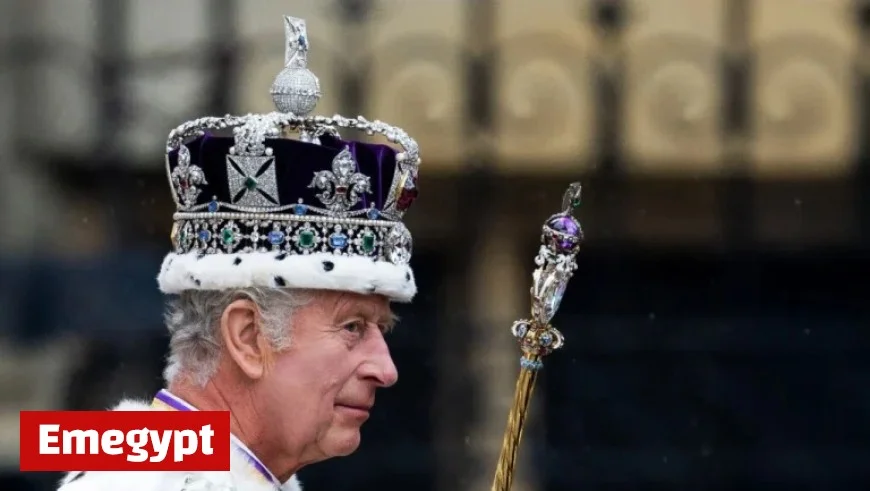
The British monarchy faces an unprecedented crisis of faith among its citizens. The recent actions of King Charles III highlight growing tensions surrounding the institution. Following controversies related to his brother, Prince Andrew, and son, Prince Harry, skepticism about the monarchy’s purpose has intensified.
Royal Controversies and Public Disillusionment
King Charles III recently removed all royal titles from his brother, Andrew Mountbatten-Windsor, amid scandals involving Jeffrey Epstein. Additionally, calls to strip Prince Harry of his titles surfaced after his appearance in a comedy sketch with Stephen Colbert. This discontent reflects a broader questioning of the monarchy’s relevance in modern Britain.
Documentary Reflects Public Sentiment
In a bold move, journalist David Dimbleby has suggested that all British royals should be stripped of their titles. His upcoming three-part documentary delves into whether King Charles has any real influence over government policy. Dimbleby raises essential questions about the monarchy’s role, noting that no one voted for Charles’ position.
Many British citizens express frustration with the monarchy, seeing it as disconnected from their daily lives. An interviewer echoed this sentiment by asking, “What is it for?” Dimbleby admitted that the Royal Family often feels distant, cloaked in glamor and pageantry.
The Role of the Monarchy
Despite public skepticism, some still believe the monarchy serves a vital purpose. Columnist Melanie Phillips argues that the relationship between the crown and the people embodies a sacred element in a largely secular society. According to her, the monarch acts as a unifying force, transcending political divisions and providing a sense of national identity.
Phillips draws parallels between the British monarchy and ancient Israel, suggesting that British monarchs have historically traced their lineage back to King David. This connection underlines the monarchy’s role in maintaining national identity and unity.
Historical Context and Modern Implications
Historically, the British monarchy has been seen as a stabilizing force. Phillips emphasizes that Charles’ duty is not to represent political parties but to unify the British people. However, Mountbatten-Windsor’s recent scandals and shifting public attitudes challenge this perspective.
The concept of a constitutional monarchy, distinct from a republic, underscores the potential for the monarchy to act as a stabilizing element in governance. Phillips argues that the position holds significance beyond political representation; it provides a focal point for national identity.
The Future of the Monarchy
As the monarchy navigates these turbulent waters, the future remains uncertain. With increasing calls for change and reevaluation of royal roles, one question persists: What is the monarchy for?
- Stripped titles: King Charles reduces royal titles for family members amid crises.
- Dimbleby’s documentary raises questions about monarchy’s relevance and governmental influence.
- Public sentiment shifts as people call for a reevaluation of the monarchy’s purpose.
- Phillips argues for the monarchy’s sacred role in British identity and unity.
In conclusion, the British monarchy stands at a crossroads. As it faces scrutiny and calls for reform, understanding its historical purpose may be essential for navigating its future in a modern democracy.