


















Volcanic Eruption Linked to Europe’s Devastating Black Death Plague

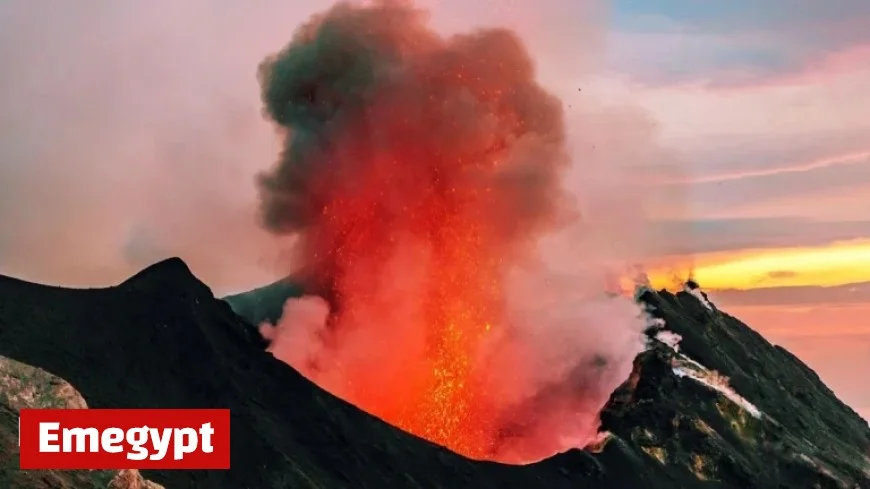
In 1345, a volcanic eruption may have triggered a relentless cycle that resulted in Europe’s most catastrophic pandemic, the Black Death. Researchers indicate that evidence gleaned from tree rings points to a significant climate disruption because of this eruption.
Impact of the Volcanic Eruption
The eruption released vast amounts of ash and gases into the atmosphere. This led to dramatic decreases in temperature across Europe. As a consequence, agricultural yields plummeted, resulting in widespread food shortages.
Consequences of Climate Change
- Extreme temperature drops affected growing seasons.
- Poor harvests intensified food scarcity.
To manage these shortages and avoid famine, major Italian city-states were compelled to seek grain imports. They turned to regions around the Black Sea, where grain was still available.
Introduction of the Plague
This quest for grain inadvertently set the stage for disaster. The imports included rodents and fleas that carried the plague. Once these vectors arrived in Europe, they contributed to the rapid spread of the disease.
Key Outcomes
- The European landscape was drastically altered by climate changes.
- The emergence of the Black Death resulted in millions of fatalities.
This theory highlights the complex relationship between natural disasters and human health crises. The volcanic eruption not only directly affected the climate but also had catastrophic social and economic effects, leading to one of history’s deadliest pandemics.