








Nobel Laureate Machado Claims Venezuela Already Invaded Amidst Trump Intervention Discussion
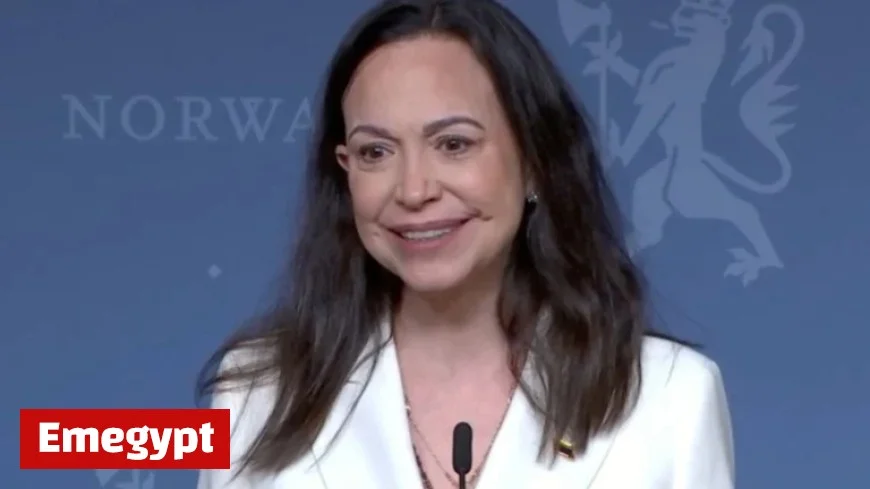
Maria Corina Machado, a Nobel Peace Prize-winning opposition leader from Venezuela, has made startling claims about her country’s security situation. In a recent news conference held in Oslo, she asserted that Venezuela has already been invaded.
Invasion Claims
During her address, Machado emphasized the presence of foreign agents in Venezuela. She noted:
- Russian agents
- Iranian agents
- Groups such as Hezbollah and Hamas
- Colombian guerrillas and drug cartels
According to Machado, these elements have transformed Venezuela into a “criminal hub of the Americas,” significantly affecting its populace.
Human and Drug Trafficking
Machado highlighted the dual threats of drug trafficking and human trafficking. She stated that over 60% of Venezuelans are impacted by these illegal activities. Machado pointed out that the funds for these operations originate from:
- Drug trafficking
- Black market oil trades
- Arms trafficking
- Human trafficking networks
U.S. Intervention Discussion
Her remarks come amid discussions surrounding U.S. military actions in the region. The Trump administration has been increasing pressure on the Venezuelan government, including recent oil tanker seizures off the coast of Venezuela. The United States has established its largest military presence in decades in Latin America, targeting perceived drug smuggling operations.
Acknowledgment During Nobel Ceremony
Machado, who covertly traveled to Oslo to accept her Nobel prize, addressed the public from the Grand Hotel. However, she did not arrive in time to directly receive the award, which was accepted by her daughter, Ana Corina Sosa. The opposition leader dedicated part of her recognition to U.S. President Donald Trump, aligning with those who view Venezuelan President Nicolás Maduro as a threat to U.S. national security.
Despite Machado’s assertions, U.S. intelligence officials have expressed skepticism about the links between Maduro and criminal organizations. This uncertainty continues to shape the dialogue surrounding Venezuela’s future.