


















Discover Why Hades II and Its Heroine Challenge the Fight for the Status Quo

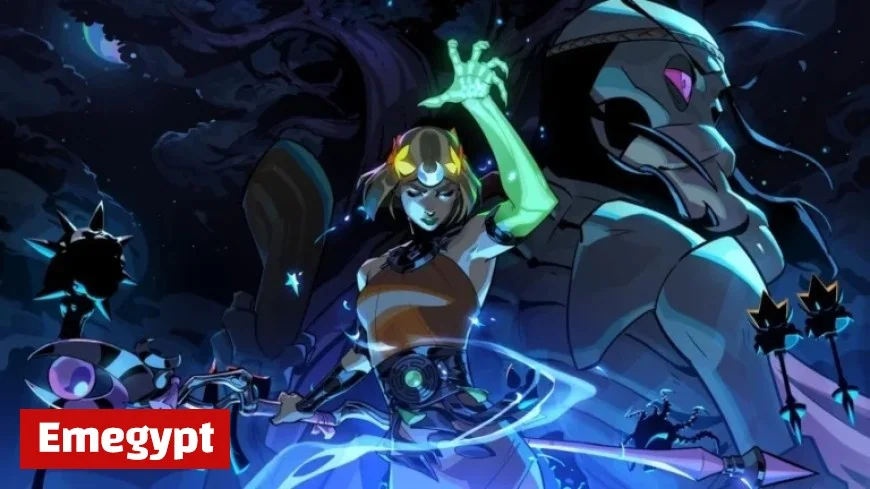
Video games have long engaged with Greek mythology, creating narratives that challenge traditional power dynamics. This analysis focuses on the upcoming title, Hades II, and its protagonist, Melinoë, who embodies a significant departure from the conventions established by earlier titles like Altered Beast.
Breaking the Mold: Hades II and Its Unique Heroine
Released decades apart, Hades II shares thematic and stylistic ties with Altered Beast. Both games center on heroic journeys saturated in combative encounters within the Greek pantheon. However, Hades II introduces a fresh perspective through Melinoë, who is tasked with defeating Chronos, the Titan of Time, instead of saving a damsel in distress, marking a critical shift in narrative direction.
Character Motivations and Internal Conflict
- Melinoë’s Quest: Unlike Zagreus, her brother, Melinoë is motivated by personal freedom rather than rescuing others.
- Journey Structure: Players navigate dual routes—one leads deeper into Tartarus and the other towards the surface in a bid to conquer new challenges.
- Teachings of Hecate: Guided by her mentor Hecate, Melinoë grapples with her identity as both goddess and witch.
Melinoë’s relationships within the game are transactional, echoing the complexities of her existence. She interacts with various characters, including former victims of the gods, enabling players to see a spectrum of perspectives regarding divine authority. This dynamic offers a deeper critique of the Olympian rule compared to previous iterations in gaming.
A New Narrative Paradigm
Hades II not only revamps the gameplay mechanics of its predecessor but also questions the very foundations of its narrative. The game revolves around exploring power structures and personal autonomy within oppressive systems while using roguelike elements to enhance engagement.
Key Features of Hades II
- Roguelike Mechanics: Players can enjoy a robust modular combat system with diverse weapon loadouts.
- Character Development: The game features a central hub that promotes learning about the world while planning future actions.
- Interactive Choices: Actions in the game impact dialogue and character relationships, providing insight into moral complexities.
This approach fosters an environment where player agency reflects the narrative. Unlike other games where players might experience a disconnect between agency and story, Hades II successfully merges the two.
Thematic Explorations
At its core, Hades II emphasizes resilience against oppressive forces. Melinoë’s complexity as a character resonates with themes of womanhood, identity, and rebellion against the status quo. Her dedication to overcoming challenges while navigating her dual nature adds depth to the player experience.
Melinoë’s Dual Nature
- Goddess vs. Witch: Her identity encompasses aspects of both, creating internal conflicts in her journey.
- Relationships: Interactions with other characters reveal a nuanced understanding of loyalty and power.
- Existential Themes: The narrative prompts players to question notions of agency and complicity in systems of power.
Hades II stands as a groundbreaking entry in the gaming landscape, blending traditional myth with modern storytelling. Melinoë’s journey challenges the norms established by earlier games while inviting players to engage with deeper philosophical questions regarding power and choice.
The Future of Greek Myth in Gaming
As Hades II prepares for release, it encapsulates the evolution of video game narratives. By intertwining gameplay mechanics with rich thematic explorations, it elevates the medium and encourages players to reflect on their own roles within structured realities.
This upcoming title not only enriches the lore of its predecessor but also poses questions about the status quo in gaming and society at large. Through Melinoë, Supergiant Games offers a narrative that is as thought-provoking as it is entertaining, reaffirming the potential of video games to tell complex stories that resonate with contemporary audiences.