

















Trump Issues a Symbolic Pardon to Tina Peters with No Legal Impact

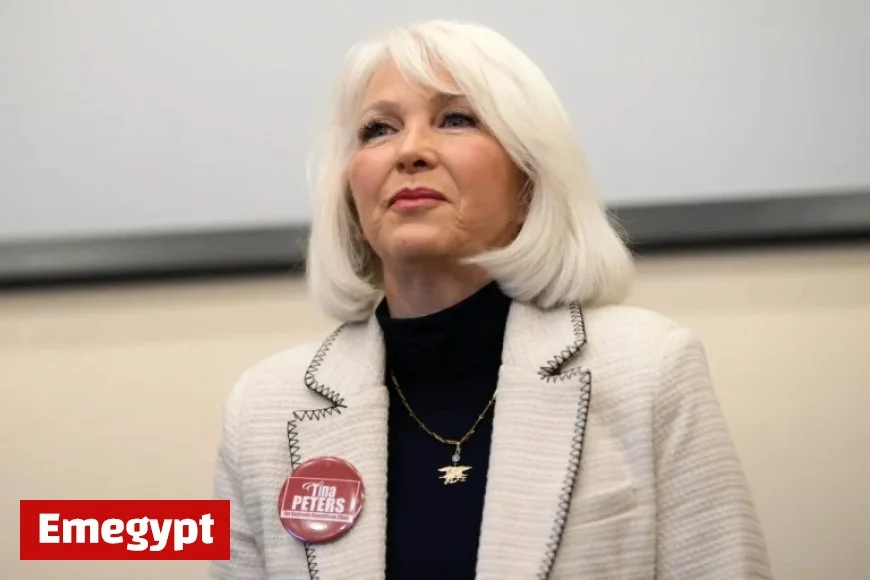
Former President Donald Trump announced that he has issued a symbolic pardon to Tina Peters, the Colorado election official facing a nine-year state sentence. This proclamation has reignited discussions about presidential powers and state sovereignty.
Understanding the Pardon Claim
On February 25, 2023, during a candidate debate in Hudson, Colorado, Peters made headlines due to her controversial actions regarding the 2020 presidential election. However, as a state-level crime violator, Peters cannot be pardoned by a president under U.S. law.
Trump proclaimed on Truth Social, “Today I am granting Tina a full Pardon for her attempts to expose Voter Fraud in the Rigged 2020 Presidential Election!” He portrays Peters as a victim of political persecution for demanding fair elections. However, this assertion lacks any legal grounding.
Legal Repercussions of the Pardon
Peters, the former Mesa County clerk, was found guilty of compromising Colorado’s election equipment. She facilitated unauthorized access to sensitive voting machine software in 2021 and misled officials during the ensuing investigation.
- Convicted under Colorado law
- Convicted for breaching election equipment security
According to Colorado Secretary of State Jena Griswold, only the state governor, Jared Polis, can grant clemency for offenses at the state level, making Trump’s pardon declaration legally unenforceable.
Federal and State Dynamics
The timing of Trump’s announcement corresponds with a recent civil rights investigation into Colorado’s prison system by the U.S. Department of Justice (DOJ). This inquiry aims to assess whether the conditions in Colorado’s correctional facilities respect constitutional rights.
Assistant Attorney General Harmeet Dhillon cited reports of “unconstitutional and legally insufficient carceral conditions” as a rationale for the probe. Although Peters has not been directly linked to the investigation, the timing raises eyebrows regarding federal influence on state judicial matters.
A Broader Context of Presidential Pardons
In recent months, Trump made headlines for “pardoning” several figures involved in the attempts to overturn the 2020 election. However, these clemencies apply only to federal offenses and cannot address state-level convictions.
The ongoing narrative surrounding Trump’s symbolic pardon of Peters reflects his campaign to challenge state authority. As he continues to express support for election deniers, the implications for state sovereignty and judicial independence remain significant.
While Trump’s claim may serve as a rallying cry for his supporters, it highlights concerns about the potential encroachment of federal power into state legal affairs.