















Peter Thiel Opens Up About Longstanding Allergy to AI in Exclusive Interview

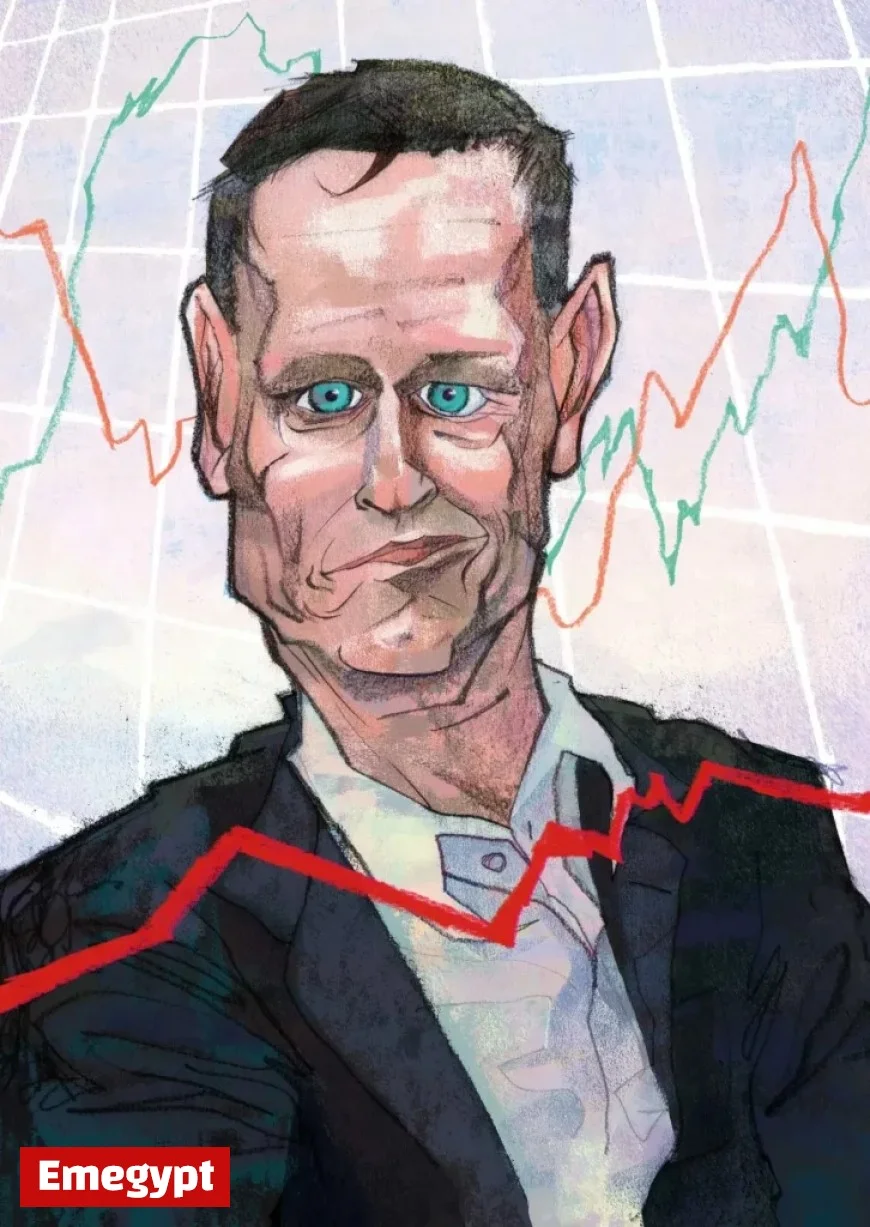
Peter Thiel, a renowned figure in technology and business, recently discussed his critical views on artificial intelligence (AI) in an exclusive interview. Thiel, co-founder of PayPal and Palantir, is recognized for his influence in Silicon Valley and early support for Donald Trump. His focus remains on the future, particularly the implications of AI on society.
Thiel’s Longstanding Concerns About AI
Thiel has articulated a consistent skepticism regarding AI, describing it as a buzzword that can often lead to misconceptions. He highlighted concerns that the AI revolution primarily benefits large companies, creating potential inequalities in growth.
- AI vs. Human Labor: Thiel believes AI is more likely to replace human jobs than complement them.
- Market Dynamics: He is less optimistic about AI solving significant economic problems, such as the budget deficit.
- Concerns of a Bubble: Thiel warned about the risks of an AI bubble, drawing parallels to previous economic fluctuations in the technology sector.
Impact of AI on Economic Growth
During the conversation, Thiel emphasized the uneven distribution of benefits resulting from AI advancements. He noted that if the United States embraces AI while Europe hesitates, the U.S. might be in a relatively advantageous position. However, Thiel remains cautious about the future of AI and its implications for society and the economy.
The Layers of AI Development
Thiel explained that AI encompasses a wide range of definitions and has evolved significantly over the years. He pointed out that key advancements in AI, such as large language models, reflect a significant shift in technology that took decades to materialize.
- Evolution of Definitions: AI has been redefined multiple times, complicating its understanding.
- Importance of Innovation: He stressed the need for continuous innovation and differentiation in business to move beyond homogeneous competition.
Conclusion
Overall, Thiel’s reflections underscore a complex relationship with AI, marked by both cautious optimism and critical assessment. His insights challenge the prevailing narratives around AI’s capabilities and raise questions about its long-term effects on labor and economic structures in a rapidly changing world.