

















Mastering the Ordeal How Pluribus Redefines Cinema’s Most Intense Subgenre

Manousos Oviedo embarks on a solitary and hazardous journey across South America. He is the last human refusing to join “the Joining,” a phenomenon that merges most of humanity into a singular consciousness. Manousos, portrayed by Carlos-Manuel Vesga, drives from Paraguay to Albuquerque, New Mexico, braving treacherous jungles, harsh conditions, and self-imposed isolation.
Understanding the Ordeal in Cinema
His story is featured in the seventh episode of *Pluribus*, titled “The Gap.” This segment exemplifies a specific film and television subgenre known as The Ordeal. An Ordeal narrative involves the protagonist undergoing arduous physical travel to a challenging destination, facing obstacles like difficult terrain, injuries, or hostile environments.
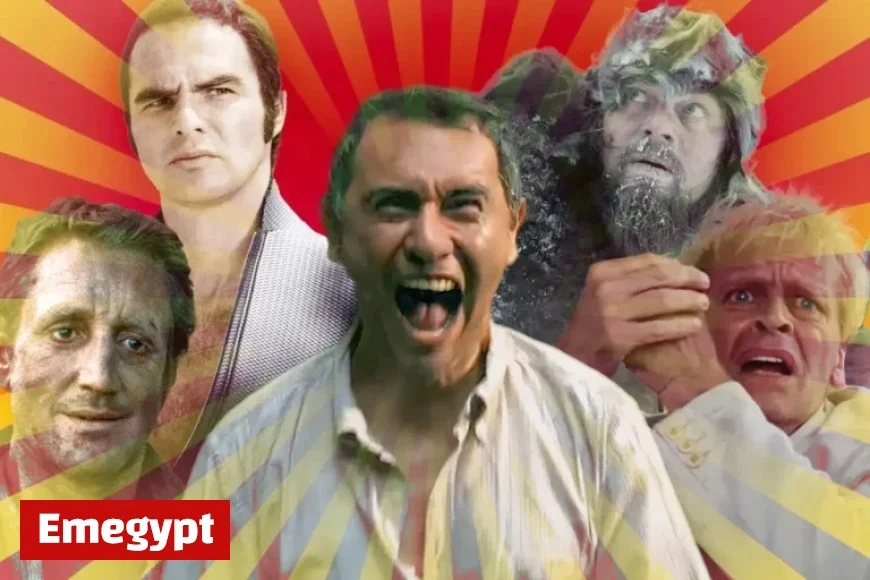
Ordeal films immerse viewers in the protagonist’s suffering and struggle. Unlike typical quests, the emphasis lies on the painful journey itself. Notable examples include classics such as:
- Deliverance
- The Revenant
- Gravity
- Apocalypse Now
- Aguirre, the Wrath of God
- Children of Men
The Essence of the Ordeal
These films offer an intense experience where viewers feel the physical strains faced by the characters. The journey becomes a metaphor for deeper emotional and psychological trials. As characters confront their challenges, they often emerge fundamentally changed, if they survive at all. This is the key difference between Ordeals and typical adventure stories, emphasizing endurance over achievement.
Manousos’s adventure progresses as he finds himself learning a new language to connect with Carol Sturka, another character on his path. Yet, his focus remains on survival. He engages in fundamental tasks like:
- Siphoning gas using primitive methods
- Catching fish for sustenance
- Collecting rainwater
- Trekking through dense jungle with a machete
The Challenging Nature of Ordeals
Ordeals often reflect intrinsic elements of masculinity, such as adventure and territorial conquest. However, the themes of isolation and survival resonate universally, transcending gender. The perilous landscapes that characters navigate serve as allegories for life’s challenges, often mirroring real-world struggles.
Moreover, these narratives are visually compelling, utilizing detailed cinematography to immerse viewers in the character’s physical and emotional states. The viewer feels the weight of the heat, the difficulty, and the harrowing experiences alongside the protagonist.
As Manousos continues his journey, the audience is left wondering whether he will overcome his physical challenges and survive the threats posed by the jungle. The arrival of unexpected elements, like a helicopter, adds to the suspense, making it clear that his Ordeal is far from over.
This intense exploration of physical and psychological endurance captivates audiences, highlighting the magic of cinema to evoke empathy through shared suffering. Manousos’s journey not only challenges his limits but also invites audiences to reflect on their own encounters with adversity.