
















The Overlooked Hanukkah Story and Its Importance to Converts Like Me

As Hanukkah approaches, it is essential to explore the significance of this holiday, particularly for those who convert to Judaism. The celebration of Hanukkah often emphasizes Jewish identity, yet many ignore the complexities surrounding conversion and the history that connects power dynamics with religious identity.
The Growing Trend of Conversion to Judaism
Conversion to Judaism has experienced a notable rise, reaching levels not seen in the past 2,000 years. This increase is evident in various areas, including synagogues and rabbinical leadership. Despite the traditional narrative suggesting that Judaism does not seek converts, many individuals are actively choosing this faith.
Hanukkah: A Retelling of History
Hanukkah is often recounted as a straightforward tale of good versus evil, showcasing the resilience of a small group of Jews against an oppressive empire. However, a closer examination reveals a narrative intertwined with coercion and forced conversion.
- Historical Context: John Hyrcanus, a Hasmonean ruler from the Maccabean lineage, is a pivotal figure rarely discussed during Hanukkah. He forcibly converted the Idumeans to Judaism, highlighting a history of imposed religious identity.
- Contradictory Narratives: While Judaism is often portrayed as a non-proselytizing religion, instances in Jewish texts suggest otherwise. The Book of Esther includes references to individuals joining Judaism out of fear, not faith.
These narratives remind us that Judaism’s identity in history has oscillated between attraction and coercion. Despite this, there is a strong legacy of inclusivity, which invites seekers to explore Judaism.
The Role of Converts in Judaism
In the past, many individuals, inspired by Jewish ethics and monotheism, sought out Judaism. This trend was echoed in America during the 19th century, where rabbis like Isaac Mayer Wise viewed Judaism as a message meant for all humanity, emphasizing human dignity.
- The early Reform movement welcomed converts as a natural progression of its mission.
- This welcoming attitude diminished due to historical events, including the Holocaust and mass immigration, leading to a more guarded approach.
Despite a fluctuating attitude towards conversion, contemporary statistics indicate that more people are converting to Judaism than ever before. Religious identities have become more fluid, with many exploring spiritual connections while remaining institutionally unaffiliated.
Challenges Faced by Converts
Despite the growing acceptance, converts often encounter skepticism. They face questions about their legitimacy in various communities, which reflects a deep-seated anxiety about defining the boundaries of Jewish identity.
For some, these challenges manifest in intrusive inquiries about one’s appearance or background. Such reactions reveal a fortress mentality, where openness is seen as a threat rather than an opportunity.
The Message of Hanukkah
As we celebrate Hanukkah, we are called to reflect on the kind of Judaism we wish to present to the world. The holiday serves as a reminder that Jewish history contains both moments of coercion and profound values.
- Inclusivity vs. Exclusivity: The essence of Hanukkah invites us to choose a legacy of openness and representation.
- Faith Continuity: The ongoing survival of Judaism is attributed not only to its endurance but also to its capacity to attract new individuals.
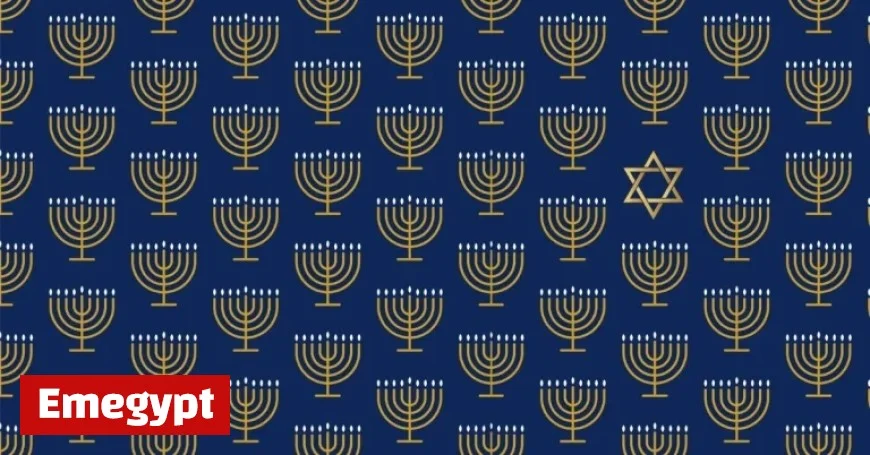
This Hanukkah, as we place our menorahs in visible places, we should ask ourselves: Are we embracing a confidence that is open and inviting, or are we closing ourselves off from those drawn to our stories and ethics?
The decisions we make about inclusivity and acceptance will shape not only the future of our communities but also the faith of Judaism itself.