














World Order Faces Critical Test Amidst Frozen Russian Assets Situation

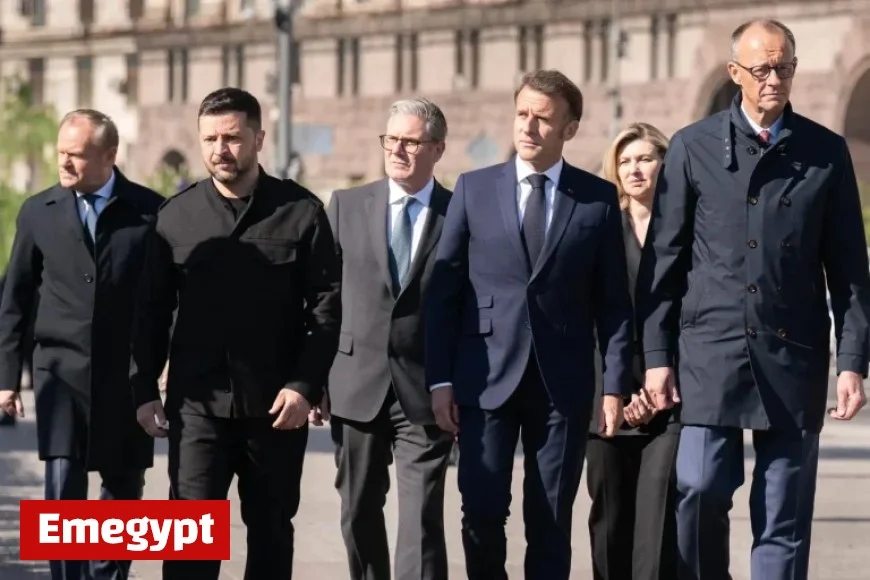
European leaders are convening to address the funding of Ukraine’s defense amid ongoing challenges stemming from the Russian invasion. A significant development has emerged regarding the longstanding issue of frozen Russian assets, marking a pivotal moment for the future world order.
Frozen Russian Assets: A New Approach
On December 12, 2025, the European Union (EU) made the decisive choice to permanently freeze approximately $246 billion (€210 billion) in Russian central bank assets. This decision eliminates the prior six-month renewal system for sanctions, which often invited political maneuvering.
The EU utilized Article 122 of its treaty, enabling the Council to implement exceptional economic measures during crises without unanimous consent. This shift allows European governments to consider how these frozen funds might be leveraged for Ukraine’s long-term financing, an essential need given that projections indicate Kyiv could exhaust its current financial support by April 2026.
Legal Tensions Surrounding Immobilized Funds
Most frozen assets are held at Euroclear, a central securities depository located in Brussels. This situation has raised legal and financial concerns for Belgium, especially amid threats of litigation from Russia, which has already initiated over 100 legal claims in connection with these seized assets.
- Russia’s central bank has filed a lawsuit against Euroclear.
- European officials are exploring frameworks to manage legal risks while utilizing frozen assets for Ukraine.
Strategic Implications for Europe and the U.S.
This new EU financial strategy contrasts sharply with proposals emerging from Washington. Notably, the Trump administration suggested a plan that would effectively relinquish European control over Russia’s frozen assets. Under this proposal, around $100 billion would be unfrozen, mainly benefiting Russia.
European leaders strongly oppose losing leverage over Russia until it ends hostilities and compensates Ukraine. Historical experiences have fostered skepticism toward any agreements with Moscow due to Russia’s track record of not adhering to terms.
Addressing Security Concerns
The crux of the matter remains how to prevent further Russian aggression in Ukraine and other nations. Potential options include:
- NATO membership for Ukraine
- Coalition-based defense guarantees
- Long-term military aid commitments
- Discussions around Ukraine’s nuclear capabilities
Impacts of U.S. Financial Policy
European policymakers are also keenly aware of the fragile macro-financial environment and the intricate balance of alliances with the United States. As of November 2025, the U.S. national debt exceeded $38 trillion.
Moreover, foreign holdings of U.S. Treasuries surpassed $9 trillion. Japan holds the largest share, with European countries like Belgium and France also significant stakeholders. This financial dynamic directly influences discussions surrounding trade and security partnerships.
U.S. Aid to Ukraine: A Comparative Analysis
The debate in Washington over U.S. aid to Ukraine is further complicated by inflated claims from political leaders. The Kiel Institute’s Ukraine Support Tracker estimates U.S. aid at $134 billion through mid-2025, significantly less than the $350 billion cited by former President Trump. In contrast, Europe has provided $195 billion in support.
These discrepancies are crucial to NATO’s alliance politics, as they breed uncertainty and strategic vulnerabilities, especially when European nations are shouldering more responsibilities for defense.
The Strategic Future for Europe
The EU’s indefinite freezing of Russian sovereign assets reflects a deliberate strategy to maintain pressure on Russia, ensure continued support for Ukraine, and averts a return to business-as-usual diplomatic relations that normalize aggression.
The principle that borders cannot be changed through force remains essential. Upholding this standard is vital not only in Europe but globally, affecting how aggression is treated elsewhere, including in Taiwan.
As discussions about Ukraine’s long-term support and asset-backed financing unfold, they spotlight a critical juncture in international relations. Establishing a robust framework for security and deterrence is essential to foster a stable, peaceful world order.
The EU’s strategy on frozen Russian assets is far from the conclusion of this issue. With legal and political hurdles remaining, Europe aims to transform this challenge into a strategic asset that fortifies Ukraine and underscores the importance of sovereignty in global politics.