
















Former Banker Transforms Lives by Distributing Bikes in Zambia

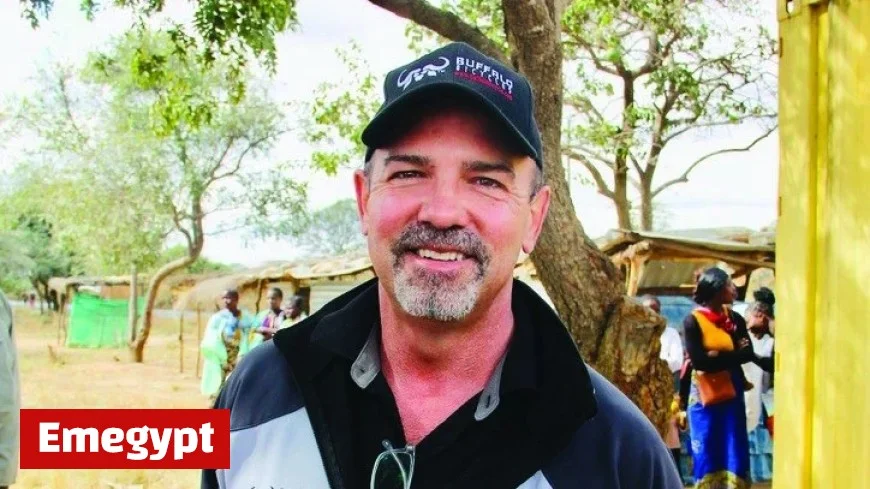
Dave Neiswander’s journey from a successful banker to a life-changing philanthropist began when he met FK Day and Leah Missbach Day, founders of World Bicycle Relief (WBR). This encounter during a holiday in Africa ignited Neiswander’s passion for helping communities in need.
Transition from Banking to Philanthropy
At the time of his life-changing decision in 2007, Neiswander was working in the financial services sector. Recognizing a looming economic downturn, he chose to take a sabbatical to devote himself to a greater cause. He accepted the challenge posed by FK Day to figure out how to deliver bicycles across Zambia, a country larger than France, facing numerous logistical hurdles.
Impact of Bicycles in Zambia
Zambia was grappling with significant health crises, including a high prevalence of AIDS-related diseases. WBR pledged to distribute 23,000 bicycles to community health workers who were walking long distances—between 10 to 15 kilometers each day—to provide vital care. Neiswander witnessed first-hand the dire need for reliable transportation in these remote areas.
- Bicycle Design: Neiswander and his team designed the Buffalo Bicycle, specially engineered for rough terrains and heavy loads.
- Operational Reach: WBR operates in seven countries and has established over 100 Buffalo Bicycle shops.
Supporting Education for Women and Girls
WBR expanded its mission to include education, collaborating with Zambia’s Ministry of Education to help girls facing numerous challenges on their route to school. Remarkably, 70% of the bicycles distributed for educational purposes go to girls.
Each recipient signs a contract to ensure the bicycle is used for educational purposes, empowering them and shifting household dynamics. Neiswander remarks on the significance of these moments, saying it feels like an “Oprah moment,” where the community witnesses the transformative power of education through bicycles.
Measurable Success and Economic Impact
WBR’s efforts show that a bicycle can dramatically change lives. Research indicates that women who received bicycles earned 50% more than those who did not. This staggering statistic exemplifies the economic empowerment that comes from increased mobility.
| Key Facts | Statistics |
|---|---|
| Years in Operation | 20 |
| Bicycles Distributed by 2026 | 1,000,000+ |
| Percentage of Education Bikes for Girls | 70% |
As WBR approaches its 20th anniversary, it stands as a testament to the life-changing potential of bicycles in developing regions. Neiswander’s journey underscores the importance of combining humanitarian efforts with a business approach, ensuring that initiatives lead to real, measurable impacts on communities.