














iRobot the Roomba Vacuum Innovator Declares Bankruptcy and Sells to Chinese Firm

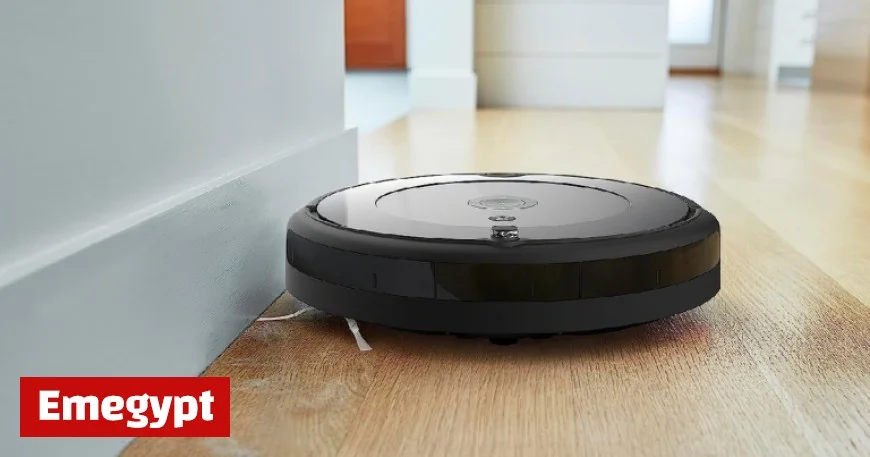
iRobot, renowned for its Roomba vacuum cleaners, has officially filed for Chapter 11 bankruptcy protection. The company announced that it will be sold to Shenzhen PICEA Robotics Co., a Chinese contract manufacturer responsible for producing Roombas. This acquisition aims to ensure that iRobot’s operations remain uninterrupted, including its app functionality, customer service, and other critical services.
History of iRobot and Roomba
Founded in 1990 by innovators from the Massachusetts Institute of Technology (MIT), iRobot initially focused on creating robots for space exploration. The launch of the Roomba in 2002 marked a significant turning point. Marketed as the first robotic vacuum designed for home use, it quickly gained popularity and established iRobot as a leader in home automation.
Financial Challenges and Declining Sales
Despite its initial success, iRobot has faced significant challenges in recent years. Following its public offering in 2005, the company’s stock reached an impressive high of over $125. However, the recent economic climate has adversely affected sales, leading to a substantial decline in stock value. On Monday, shares dropped by $3.12—or 72%—resulting in a pre-market price of $1.20.
- 2022: Amazon proposed a $1.7 billion acquisition of iRobot.
- 2023: The deal was abandoned due to regulatory pushback from the European Union.
- Termination Fee: Amazon paid iRobot a $94 million termination fee following the deal’s collapse.
Future Outlook and Acquisition Details
iRobot’s decision to file for bankruptcy comes after a warning issued in September about declining sales. The company indicated it might have to shut down certain operations without intervention. However, under the acquisition deal with Shenzhen PICEA Robotics, iRobot reassured stakeholders that it would continue to operate smoothly.
The leadership at iRobot remains optimistic about maintaining its commitment to customers and partners globally. They have promised no anticipated disruptions to existing services, product support, or supply chain relationships through this transition.