


















King and Prince William Urged to Reveal the Extent of Their Vast Wealth

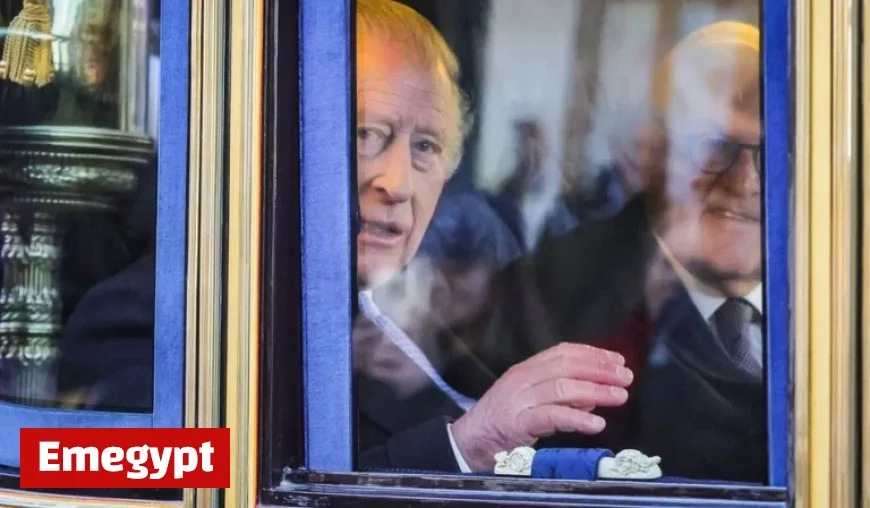
The wealth of King Charles and Prince William has come under scrutiny following a BBC documentary by David Dimbleby. The program, “What’s the Monarchy For?”, raises questions about the royal family’s financial practices and the transparency surrounding their immense wealth.
The Royal Wealth and Its Implications
According to the documentary, the Crown’s financial practices have roots in traditional secrecy. The late King George VI argued against paying income tax, setting a precedent that continues to have implications today. This has allowed the royal family’s wealth to grow significantly without the same scrutiny faced by ordinary citizens.
As of recent assessments, the royal family’s income sources are substantial, with an increase in operational costs from £30 million in 2012 to £72 million currently. The rise is largely attributed to changes in the profit-sharing arrangements with the Crown Estate initiated by former Chancellor George Osborne.
Revenue Sources
Key revenue streams for Charles and William include:
- Duchy of Cornwall
- Duchy of Lancaster
- Income from the Crown Estate
These estates contribute approximately £50 million annually to the royal coffers, prompting contemplation about the justification for such wealth against the backdrop of public service. Critics suggest this level of income indicates a disconnect from the experiences of the general population.
Public Perception and Accountability
The documentary emphasizes the need for accountability within the monarchy, particularly regarding tax policies. Prince William has notably chosen not to disclose his tax returns, drawing increased attention to the secrecy surrounding his financial dealings. This lack of transparency adds to the public’s wariness regarding the royal family’s financial ethics.
Historians also note that a portion of the royal family’s wealth can trace its origins back to historical injustices associated with colonialism and slavery. Such revelations complicate the narrative of royal entitlement and underscore the necessity for deeper examination of how wealth is accumulated and maintained.
Conclusion
The dialogue initiated by David Dimbleby’s documentary has reignited a debate about the royal family’s vast wealth and the ethical considerations surrounding it. As scrutiny increases, King Charles and Prince William may find it imperative to address the public’s concerns about their financial transparency and duties as modern figures of authority.