















Discover David Dimbleby’s Insights on Why Abolishing the Monarchy Remains Impossible

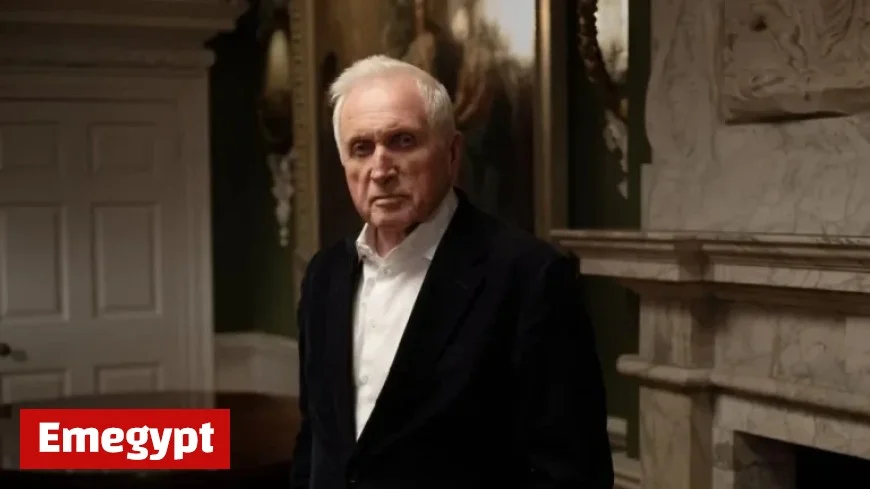
David Dimbleby has long been a significant figure in British broadcasting. A prominent journalist and presenter, Dimbleby’s career spans over six decades, the majority of which he has spent with the BBC. His insights into the monarchy and its relevance today are particularly noteworthy.
David Dimbleby’s Career Highlights
Dimbleby was born shortly after the BBC launched its television broadcasts in 1936. He began his on-screen career in the 1950s and gained prominence through pivotal roles at the BBC.
- Demonstrated his broadcasting prowess during major events, including UK elections and royal ceremonies.
- Hosted the much-anticipated election night coverage from 1979 to 2017.
- Anchored the BBC’s political debate show, Question Time, from 1994 to 2018.
Insights on the Monarchy
In his recent series, “What’s the Monarchy For?”, Dimbleby explores the monarchy’s role and influence in modern Britain. This series is described as a serious exploration of:
- The political influence of the Royal Family
- Financial aspects and management
- Image control and public perception
During his examinations, Dimbleby reveals several surprising facts, including the significant wealth of the King and the lack of legal protections for royal staff. He also discusses how the monarchy interacts with contemporary issues, notably its need to resonate with a critical younger generation.
Dimbleby’s Perspective on the Monarchy
Although he has been critical of certain elements, Dimbleby does not advocate for the abolition of the monarchy. In his memoirs, he expresses that establishing a republic would face considerable challenges, particularly with the diverse attitudes within the UK. He does believe that necessary adjustments to the monarchy can enhance its relevance in the 21st century.
The Future of the BBC and Broadcasting
Having spent his life at the BBC, Dimbleby offers a seasoned perspective on its current challenges. He believes the corporation faces scrutiny because it represents the public’s voice. Dimbleby also reflects on the importance of covering the inner workings of politics rather than just the dramatic surface.
As he steps back from frontline reporting, Dimbleby remains committed to understanding power dynamics in society. His latest endeavors include exploring U.S. foreign policy and the broader implications of free-market capitalism.
Conclusion
David Dimbleby personifies what public broadcasting seeks to achieve: a commitment to truth, impartiality, and education about societal structures. While reflecting on the relevance of the monarchy, Dimbleby invites dialogue about the future of royal influence in a rapidly changing world.
“What’s the Monarchy For?” aired on BBC One, concluding with a critical examination of how the British monarchy can adapt to the modern era.