


















New Rental Pricing Rules Taking Effect January 1

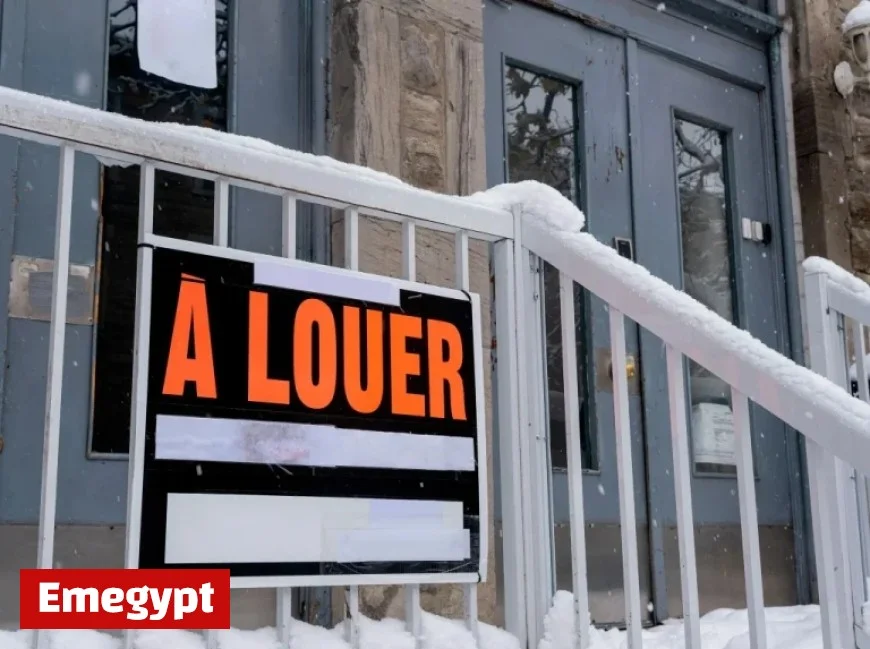
The government of Quebec is set to implement new rental pricing rules beginning January 1, aimed at simplifying the calculation of rent increases and making them more predictable. This change follows a controversial proposal from the Tribunal administratif du logement (TAL) for a historic rent increase of 5.9% in January 2025, which faced significant backlash from consumer rights organizations and political parties.
New Rental Pricing Rules Overview
Under the revised regulations, the criteria for rent increases have been streamlined from 13 to just four key factors:
- Change in property tax rates
- Change in insurance premiums
- 5% of immobilization expenses (for maintenance and repairs)
- The average Consumer Price Index (CPI) over the last three years, not limited to housing
Landlords who carry out work and take out loans to finance these projects will only need to factor in the amount repaid in that specific year. The amortization period is set at 20 years. If they receive municipal or governmental financial assistance, those funds must also be considered.
According to the Regroupement des comités logement et associations de locataires du Québec (RCLALQ), these new criteria would have capped the TAL’s proposed rental increase for 2025 to 4.5%.
Changes for Private Senior Residences (RPA)
Private senior residences (RPA), which offer services alongside housing, will also adjust their calculations. They are required to separate the rent increases for housing from those tied to services, such as personal assistance, nursing care, and meal preparation. A portion of the increase will correlate with the CPI associated with healthcare costs.
Mixed Reactions to New Rules
Responses to the new rental pricing rules have been mixed. The RCLALQ expresses concern that these modifications could accelerate rent increases. Their submission in October highlighted worries that the legislation shifts the financial responsibility for maintenance from landlords to tenants. They advocate for rent increases to be based on operating costs rather than immobilization expenses, suggesting a cap similar to Ontario’s regulations.
Conversely, the Corporation des propriétaires immobiliers du Québec (CORPIQ) supports the changes, stating that they represent a significant structural improvement. CORPIQ spokesperson Éric Sansoucy commented that this approach benefits both tenants and property owners by restoring balance within the rental ecosystem. The organization is also calling for new tools to modernize buildings in the next few years, particularly to focus on decarbonization.