

















Trump’s Executive Order: Key Insights on Loosening Federal Marijuana Drug Policies

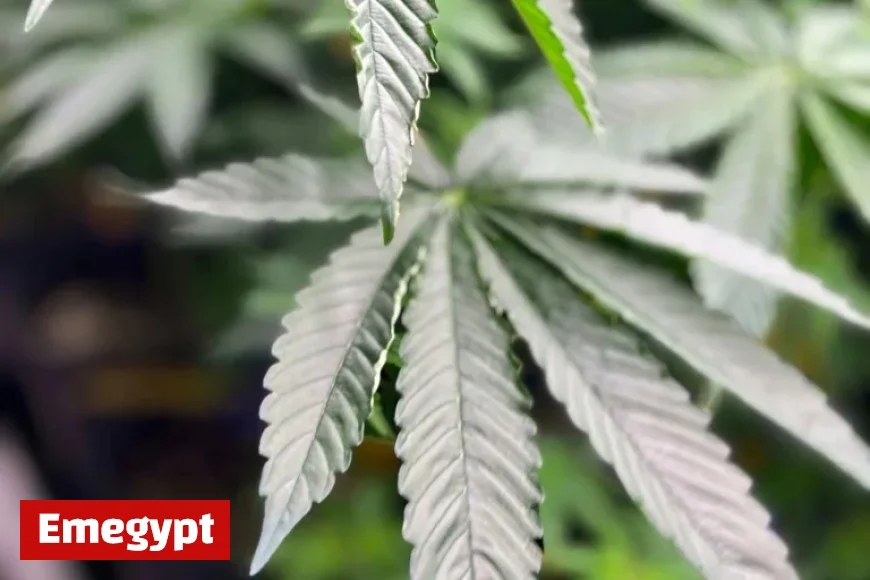
President Donald Trump has initiated steps to reconsider the federal classification of marijuana through an executive order. This order aims to reclassify marijuana as a Schedule III drug, which is a less dangerous category compared to its current Schedule I status, alongside substances like heroin and LSD. While this change does not legalize marijuana at the federal level, it could pave the way for enhanced profitability in the marijuana industry and facilitate crucial medical research.
Understanding Federal Marijuana Policy
Currently, marijuana possession is classified as a federal crime. Offenses such as selling or cultivating marijuana carry severe penalties, which can include prison sentences ranging from five years to life, depending on the amount involved. The proposed reclassification would shift marijuana’s status from a Schedule I drug—which indicates a high potential for abuse and no accepted medical use—to a Schedule III substance, which includes several anabolic steroids and ketamine. Schedule III drugs are recognized as having a moderate to low potential for dependence.
Implications of This Executive Order
- This executive order does not automatically legalize marijuana.
- It directs the attorney general to expedite the reclassification process under federal law.
- Reclassification could allow businesses to claim tax deductions, thereby improving their financial positions.
Rachel Gillette, a cannabis industry attorney, emphasized that these changes might save marijuana businesses hundreds of millions of dollars in taxes related to operational expenses.
Public Perception and Trends in Marijuana Use
Support for marijuana legalization has seen a marked increase over several decades. According to a Gallup poll, approval for legalization rose from 23% in 1985 to 64% in recent years, although it has dipped slightly from a peak of 70% two years ago. The decline has been particularly noticeable among Republicans, whose support has dropped from 55% to 40% in the same timeframe.
Medical marijuana usage has gained traction, with 40 states and Washington, D.C., allowing its use. As more jurisdictions opt for legalization, usage statistics have risen. Recent federal survey data revealed that over 64 million Americans aged 12 and older—approximately 22% of the population—consumed marijuana in the past year, an increase from 19% in 2021.
Concerns About Marijuana Commercialization
While some view reclassification as a positive step, others express concerns about the potential for commercialization to exacerbate usage, particularly among young people. Kevin Sabet, a former drug policy adviser, has voiced worries that the industry could become excessively commercialized, leading to increased usage and associated risks.
This executive order marks a noteworthy shift in federal marijuana policy, reflecting evolving attitudes towards cannabis use and its potential benefits. Advocates hope this is a step toward broader acceptance and research opportunities, while critics urge caution regarding commercialization and its implications for public health.