

















Everything You Need to Know About Trump’s Order to Ease Federal Marijuana Drug Policies

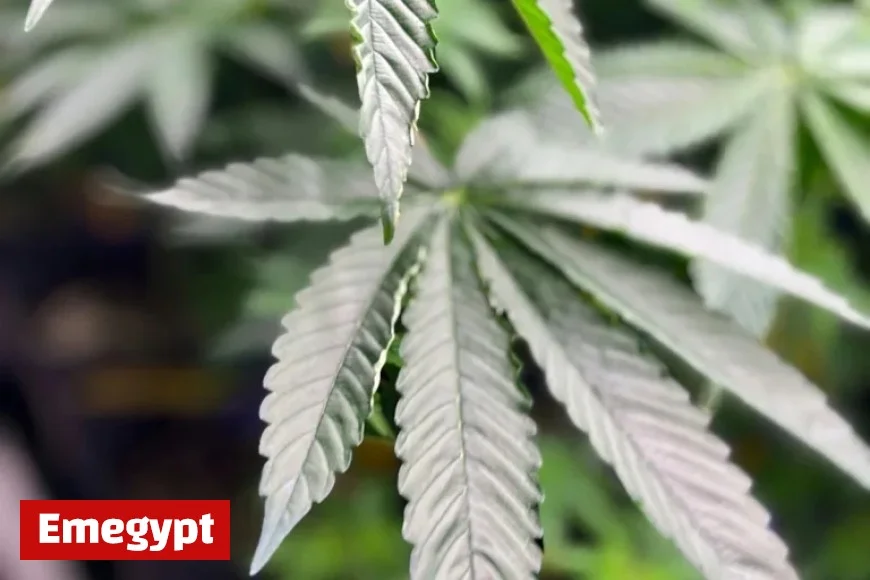
President Donald Trump has issued an executive order aimed at reclassifying marijuana as a less dangerous substance. While this action doesn’t legalize marijuana federally, it signals a potential shift in federal policies that could enhance the marijuana industry and facilitate medical research. The proposed reclassification would change marijuana’s designation from a Schedule I drug to a Schedule III substance.
Understanding Marijuana Reclassification
The current federal classification deems marijuana as a Schedule I drug, alongside substances like heroin and LSD. Schedule I drugs are identified as having no accepted medical use and a high potential for abuse. Conversely, Schedule III drugs are characterized by moderate to low potential for physical and psychological dependence.
Key Points of Trump’s Executive Order
- Marijuana’s federal classification may change to Schedule III.
- The reclassification would facilitate more medical research on marijuana.
- Federal tax deductions could become available for marijuana businesses.
Trump’s directive mandates the Attorney General to expedite the rule-making process. This change could significantly benefit licensed marijuana enterprises, enabling them to claim deductions for various business expenses. Legal analyst Rachel Gillette pointed out that this could save businesses hundreds of millions in taxes.
Public Support and Opposition
Public opinion on marijuana has evolved. Support for legalization increased from 23% in 1985 to 64% in 2023. However, a slight decline to 70% was noted in 2021, with support among Republicans dropping from 55% to 40%. In contrast, support among Democrats and independents showed minimal change.
Moreover, more than 20 Republican senators have expressed concerns. They argue that keeping marijuana a Schedule I drug is vital for preventing increased use and potential harm.
The Impact of Reclassification
The medical use of marijuana is already legal in 40 states and Washington, D.C. Additionally, recreational marijuana is allowed in 24 states. This shift has led to a rise in usage, with over 64 million Americans aged 12 and older having used marijuana in the previous year.
As marijuana becomes more normalized, some experts warn of potential increases in usage, especially among young people. Kevin Sabet, a former drug policy adviser, criticized the commercialization of marijuana, voicing concerns over its impact on society.
Conclusion
Trump’s executive order to reclassify marijuana represents a significant step in evolving federal attitudes towards cannabis. While the change could pave the way for further research and economic benefits, it also raises questions about public health and safety. The ongoing dialogue surrounding marijuana reflects a complex interplay of policy, public opinion, and healthcare considerations.