


















Exploring How Buttes Reflect Our Relationship with Childhood

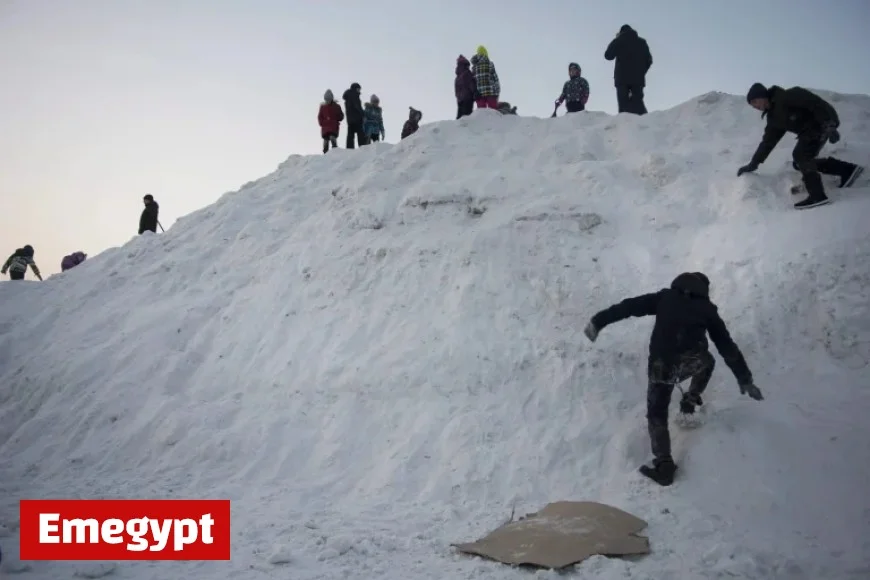
The ongoing discussions about the regulation of play areas, specifically regarding the use of hills in schoolyards, coincide with concerns surrounding increasing violence among children. This raises essential questions about our collective mindset towards childhood and safety.
Understanding Our Relationship with Childhood and Risk
A critical examination reveals that there is often a confusion between necessary safety measures and excessive overprotection of children. In our attempts to ensure their safety, we may inadvertently create an environment where children cannot freely engage in play and exploration.
Play is vital for children. It allows them to test their physical limits, learn to cooperate, and understand the concept of risk. Without these experiences, children may struggle with social interactions, potentially becoming rigid and anxious as they grow. They develop hypervigilance, always on guard against perceived threats.
The Importance of Free Play
Free and adventurous play often comes with minor injuries. These experiences are crucial for development. Consider how a child learns to walk; they often fall before they master the skill. Parents manage their fears and support their children, balancing safety with the necessity of growth.
- Free play encourages confidence.
- Risky play develops resilience.
- Children learn to navigate their environment.
Consequences of Overprotection
The shift towards stringent protocols in play areas diminishes the value of play. Rules concerning specific measurements for play structures, like snow hills, strip away spontaneity and joy. Adult intervention transforms play into a regulated experience rather than a joyful exploration.
As adults, our discomfort with children experiencing risks often leads us to create overly controlled environments. This protective stance can be harmful, as it may prevent children from developing essential life skills such as managing conflict and socializing effectively.
Impact of Emotional Barriers
Beyond physical aspects, emotional barriers also shape childhood experiences. Many children carry emotional burdens stemming from difficult home environments, such as violence or economic stress. These factors contribute to behavioral issues in schools and playgrounds, reflecting their complex inner lives.
However, it is crucial for adults to recognize these challenges rather than turning a blind eye. Conversations about addressing these emotional needs are necessary for fostering healthier childhood environments.
Reconnecting with Nature and Community
As children increasingly transition between confined spaces, like homes and schools, they miss out on vital interactions with nature and peers. The absence of unstructured playtime in natural settings deprives them of essential life lessons and connections.
- Children need outdoor experiences to grow.
- Interacting with nature fosters creativity.
- Building relationships enhances social skills.
We must consider the true gifts we can provide to our children beyond material possessions. Investing time in relationships, outdoor activities, and shared experiences can greatly enrich their lives without incurring risks associated with consumerism.
The Gift of Togetherness
Encouraging children to engage with one another through play and exploration fosters an authentic sense of belonging. While concerns about safety are valid, we must prioritize meaningful interactions and opportunities for children to connect with their environment.
In conclusion, let’s shift our focus from risk avoidance to nurturing resilience through natural play and social engagement. Emphasizing the inherent value of relationships and outdoor experiences can provide children with a solid foundation for their futures.